Common Parsnip
Pastinaca sativa L.

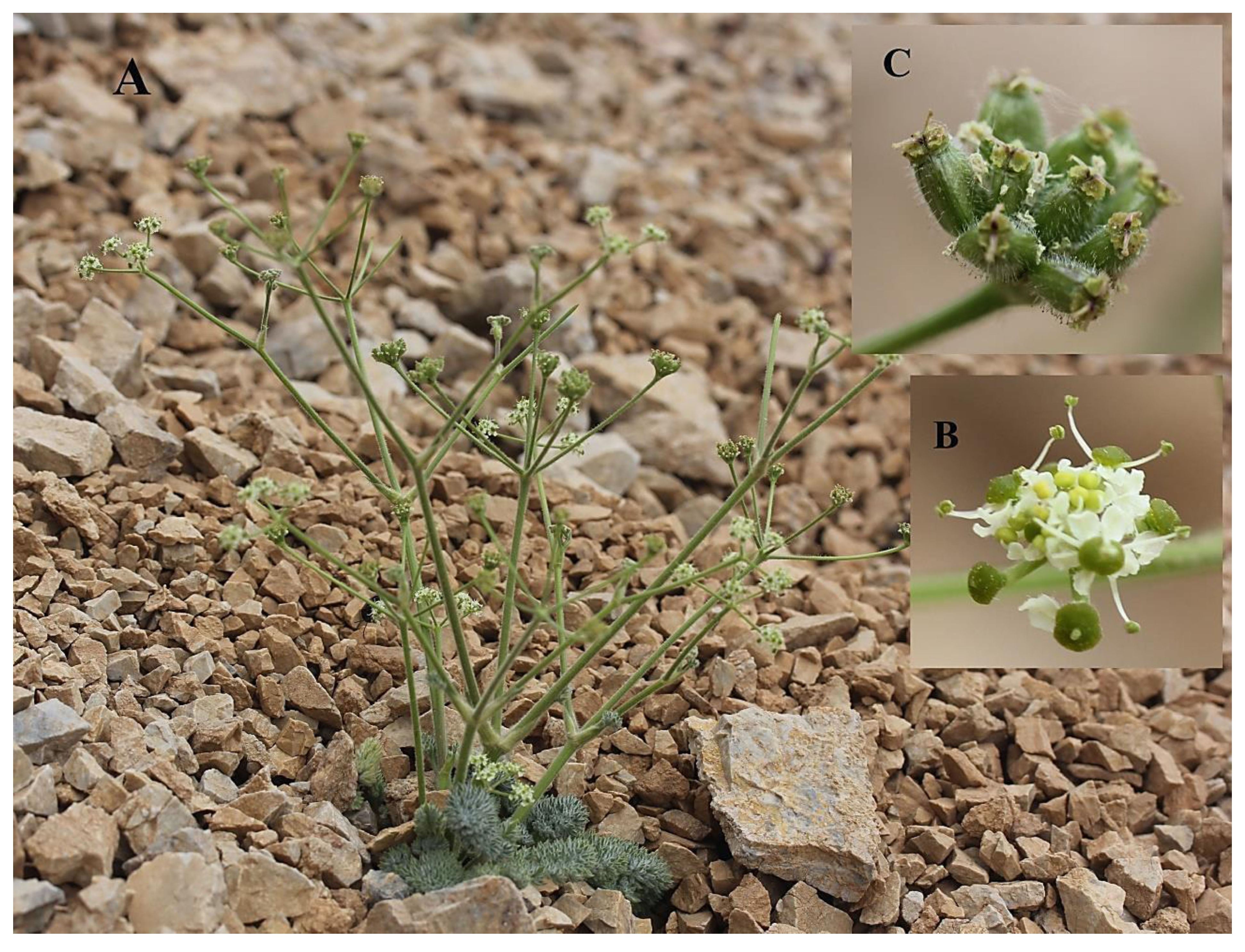
Pastinaca sativa, known as Common Parsnip, is a biennial plant in the Apiaceae family. It is typically cultivated as an annual and features a long, light cream-colored taproot. The plant produces a rosette of pinnate leaves in its first year and an umbel of yellow flowers in the second year if left unharvested. The species is native to and cultivated in regions including Newfoundland, Alberta, British Columbia, and various international locations.
Description
Common Parsnip is closely related to the carrot and parsley, both members of the Apiaceae family. The edible taproot becomes sweeter after exposure to winter frosts. In its second year, the plant develops a woody stem and produces pale brown, flat, winged seeds. The species was first described by Linnaeus in 1753.
Other common names
Wild parsnipCommon ParsnipParsnip
Distribution
Newfoundland · Alberta · British Columbia · Manitoba · New Brunswick · Nova Scotia · Northwest Territories · Ontario · Prince Edward Island · Quebec · Saskatchewan · Yukon · Saint Pierre and Miquelon · MN · ZA · CL · IE · MX · DK · KG · SZ · JM · Flanders · AR · SE · Vermont-US · CZ · PL · AU · Galápagos Islands
Synonyms
Peucedanum sativumSelinum pastinacaAnethum pastinacaPastinaca sativa subsp. sylvestrisElaphoboscum sativumPeucedanum pastinacaPeucedanum sativum