Commen Water-Starwort
Callitriche stagnalis Scop.

Callitriche stagnalis, commonly known as Commen Water-Starwort, is a perennial aquatic plant found in a wide range of aquatic habitats, particularly in still or slow-moving water. It is native to regions spanning from North America to the Azores and is also present in parts of Australasia and the Indomalaya. This species is notable for its ability to form dense mats, which can outcompete native vegetation in introduced areas. It is distinguished by its variable submerged or floating leaves and unique fruit characteristics.
Description
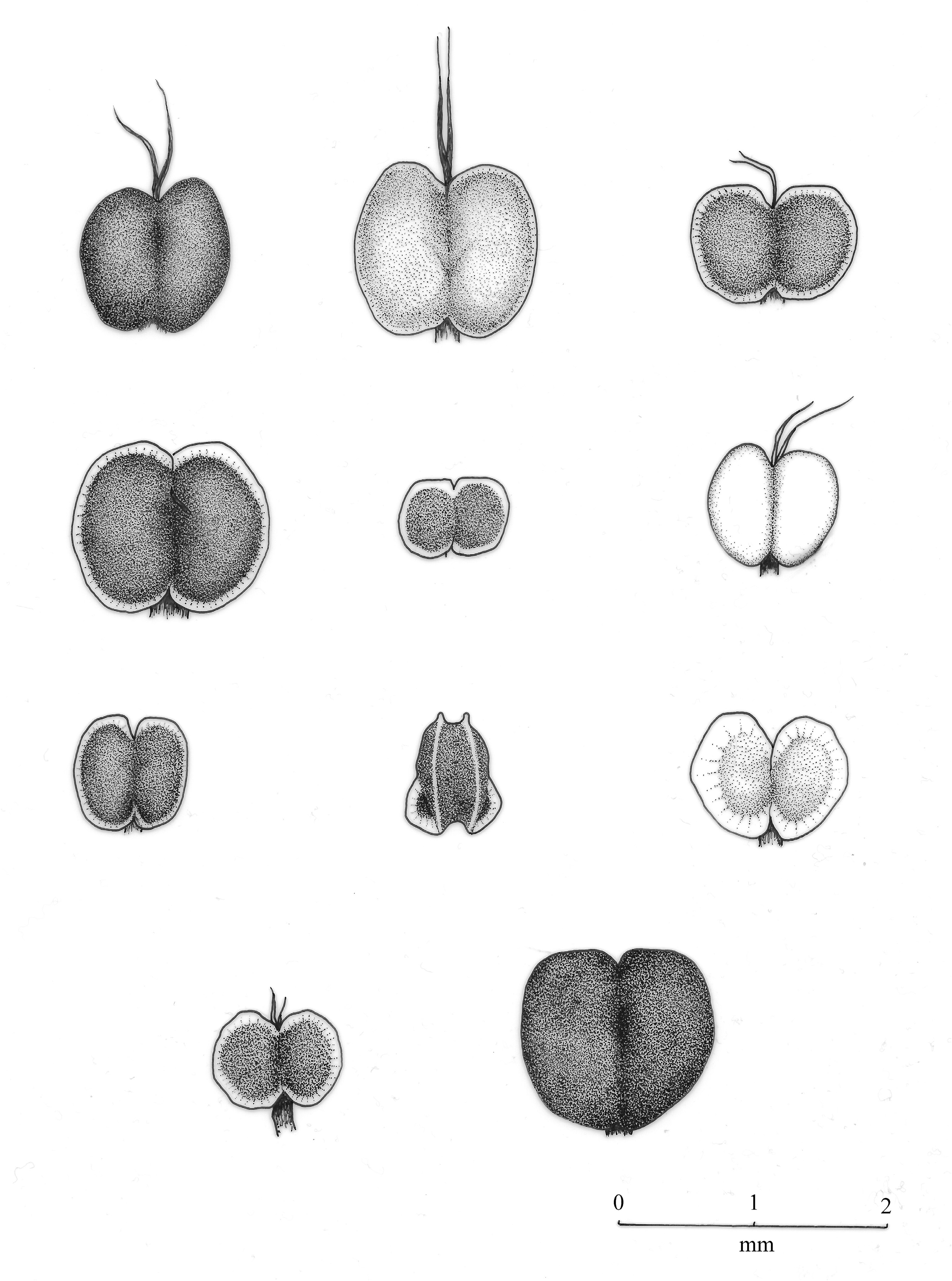
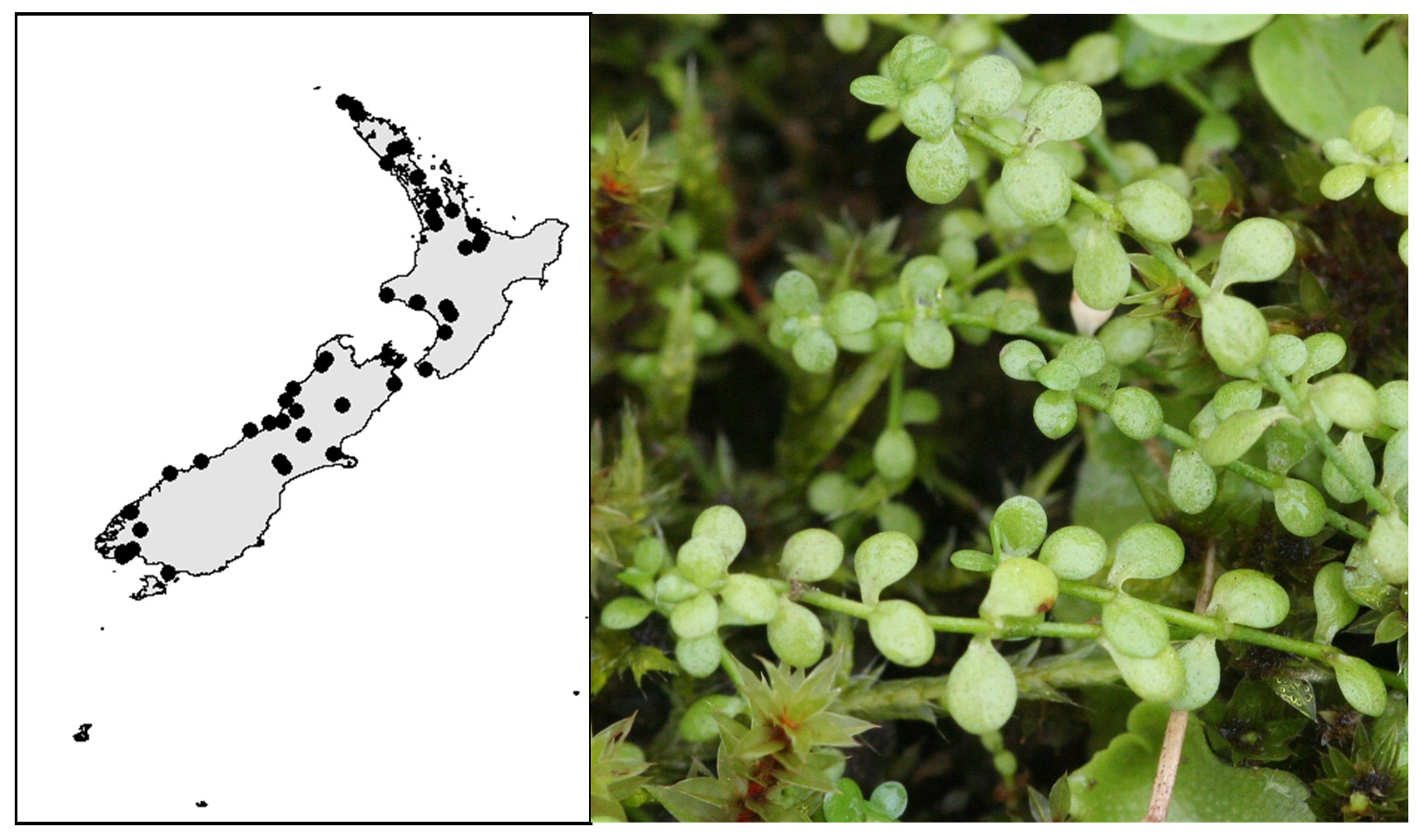
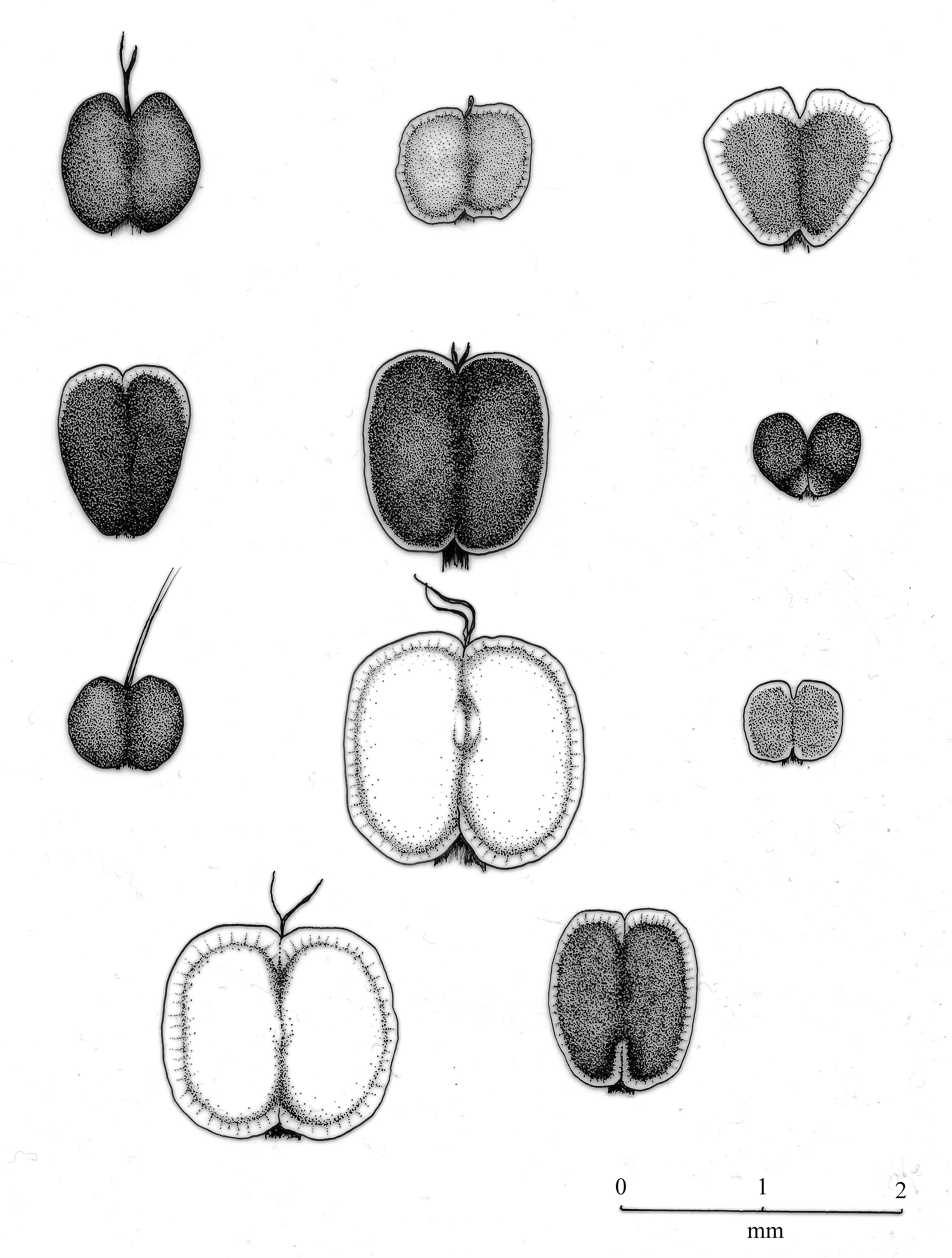
Callitriche stagnalis exhibits a range of morphological features depending on its environment. In aquatic settings, it develops submerged or floating leaves that vary in shape from broadly parallel-sided to almost circular, with dimensions of 2.7–21.7 mm in length and 1.4–8.3 mm in width. The leaves are usually attached via petioles and often form a floating rosette. Terrestrial plants have narrower, elliptic leaves. The flowers are typically solitary, with falcate bracts and recurved styles. The fruit is large, pale, and broadly winged, becoming greyish or pale brownish-grey when mature. The anthers are quadrilocular, and the pollen is yellow and ellipsoid, distinguishing it from similar species like C. platycarpa.
Habitat
This species is commonly found in still or slow-moving freshwater environments such as ponds, ditches, and wetlands. It thrives in both fully aquatic and semi-aquatic conditions, often forming dense floating mats. It is well adapted to a variety of water conditions, including those with low to moderate nutrient levels. C. stagnalis is particularly prevalent in temperate regions and is known to tolerate a range of water temperatures and light conditions.
Cultivation
Callitriche stagnalis is not typically cultivated for ornamental purposes, but it can be grown in controlled aquatic environments such as water gardens or ponds. It requires a stable water source with minimal current and can be propagated through vegetative means. Due to its rapid growth and potential to form dense mats, it should be monitored to prevent overgrowth. It is best suited for areas with still or slow-moving water and can tolerate partial shade to full sun.
Uses
While Callitriche stagnalis is not used for commercial or agricultural purposes, it plays a role in aquatic ecosystems by providing habitat for small invertebrates and stabilizing sediment in wetland environments. However, in some regions, it is considered an invasive species due to its ability to outcompete native vegetation and form dense mats that can reduce water flow and oxygen levels. Management strategies often focus on controlling its spread in non-native habitats.
Other common names
Commen Water-StarwortCommon StarwortCommon Water-StarwortPond Water-StarwortStarwortWater Chickweedpond water starwort
Distribution
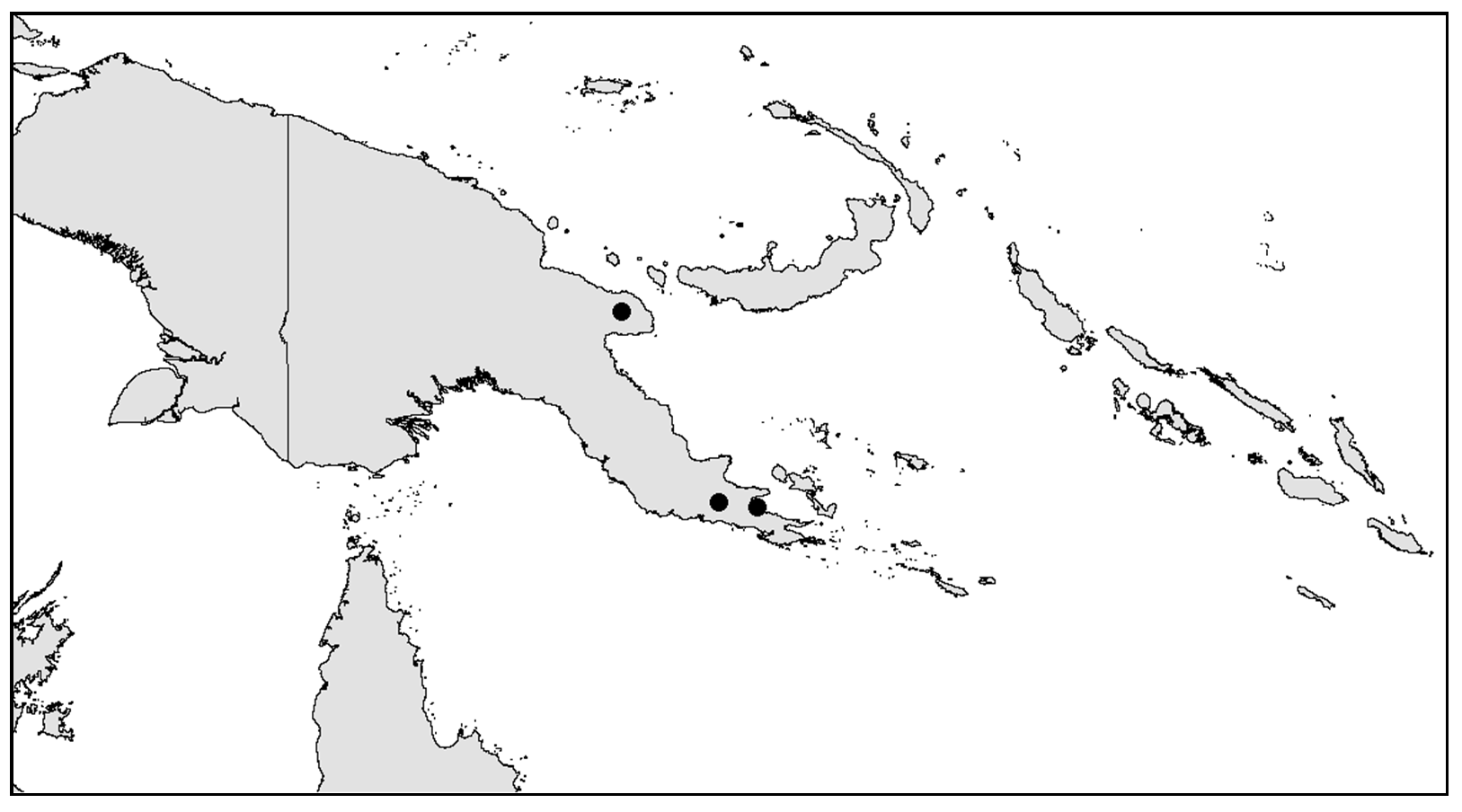
Newfoundland · British Columbia · Quebec · Saint Pierre and Miquelon · Açores · Madeira · Portugal Continental · Corvo Island · Faial Island · Flores Island · Graciosa Island · Pico Island · Santa Maria Island · São Jorge Island · São Miguel Island · Terceira Island · Madeira Island · Porto Santo island · Australasian · Oriental (Indomalaya) · Palaearctic · Flanders · SE · Vermont-US · AU · IS · NO · DK · Global · JP
Synonyms
Stellaria stagnalisStellina stagnalisCallitriche aestivalisCallitriche dioicaCallitriche minorCallitriche stagnalis f. caespitosaCallitriche stagnalis f. heterophyllaCallitriche stagnalis f. terrestrisCallitriche vernaCallitriche palustris subsp. stagnalisCallitriche stagnalis var. vulgarisCallitriche stagnalisCallitriche verna var. isophyllaCallitriche platycarpa var. serpyllifoliaCallitriche stagnalis var. rivularisCallitriche stagnalis var. microphyllaCallitriche stagnalis f. serpyllifoliaCallitriche stagnalis f. submersaCallitriche aquatica subsp. stagnalis