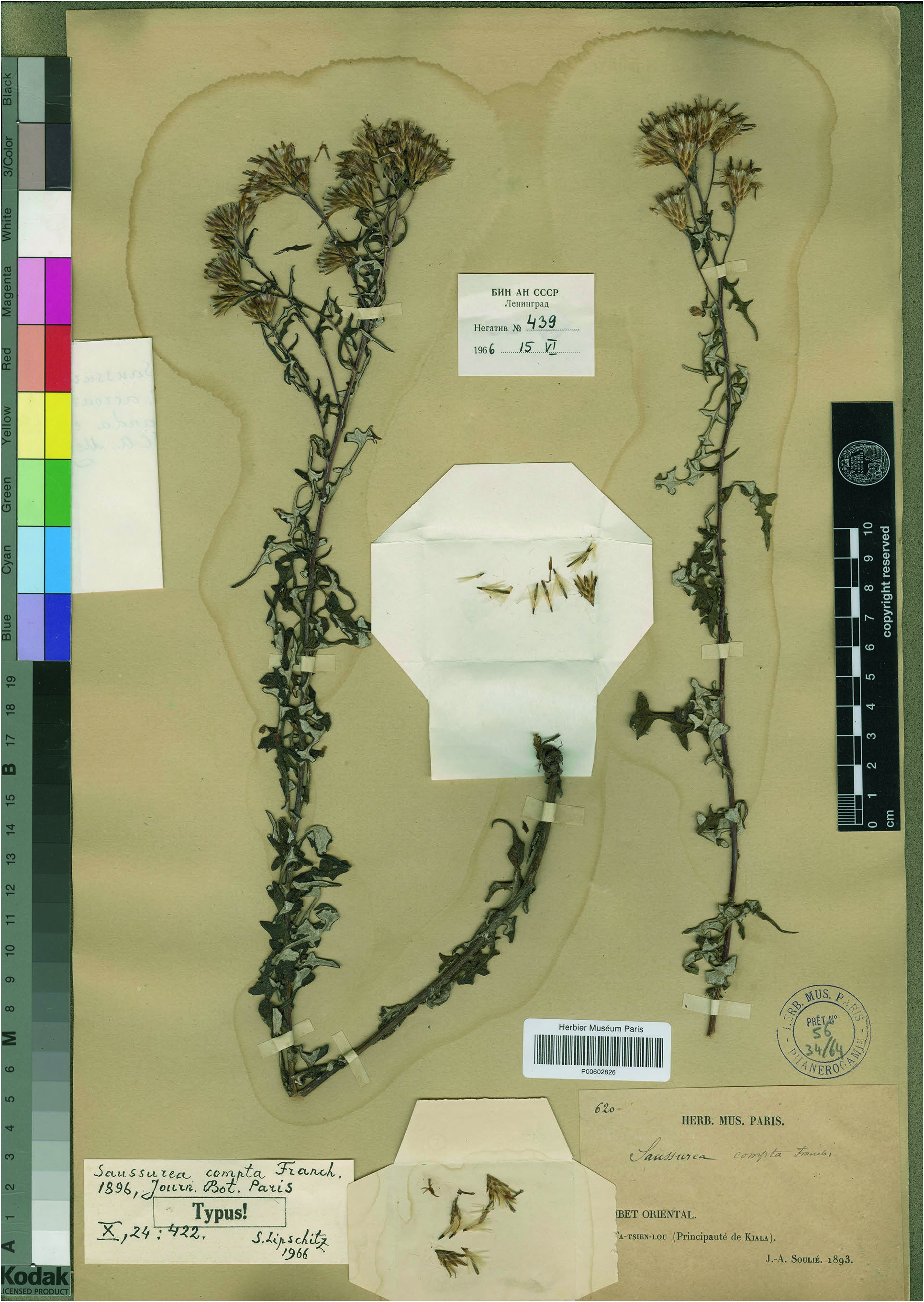
chondrilla
Chondrilla juncea L.

Chondrilla juncea, commonly known as chondrilla, is a perennial or biennial flowering plant in the Asteraceae family. Native to Europe, Asia, and North Africa, it has spread to many temperate regions globally as an invasive species. The plant is often considered a noxious weed due to its aggressive growth and ability to outcompete native vegetation. It is characterized by its glaucous appearance, yellow ligulate flowers, and distinctive seed structures with a pappus for wind dispersal.
Description
Chondrilla juncea is a rosette-forming herb that can grow up to 100 cm in height. The plant is glaucous, with erect, ribbed, and often scabridulous flowering stems that are strongly branched. Rosette leaves are narrowly oblong, elliptic, or obovate, ranging from 4.0 to 13.5 cm in length and 1.0 to 4.5 cm in width, with lyrate-pinnatifid margins. Cauline leaves are fewer, linear in shape, and may be denticulate or entire. The plant produces yellow, ligulate flowers in heads of 5 to 12. The involucre is cylindrical, with finely tomentose or glabrous bracts. The corolla has a tube of about 6.0 mm and a ligule of about 8.0 mm. Achenes are narrowly cylindrical, slightly curved, with a muricate upper third and a filiform beak. The pappus is white, uniseriate, and aids in wind dispersal.
Habitat
Chondrilla juncea is commonly found in disturbed habitats such as roadsides, agricultural fields, and wastelands. It thrives in a variety of soil types but prefers well-drained, dry to moderately moist soils. The plant is adapted to temperate climates and is often found in open, sunny areas. It is native to regions across Europe, Asia, and North Africa, but it has become naturalized in many other parts of the world, including North America, Australia, and South Africa.
Cultivation
Chondrilla juncea is not typically cultivated for ornamental or agricultural purposes. Its aggressive growth and invasive nature make it unsuitable for gardens or managed landscapes. The plant reproduces primarily through seeds, which are dispersed by wind due to the pappus. Control measures often include mechanical removal, herbicides, and biological control agents. Preventing the spread of the plant is crucial, as it can quickly dominate and reduce biodiversity in affected areas.
Uses
Chondrilla juncea is not known for any significant economic or culinary uses. In some traditional herbal practices, it may have been used for its potential medicinal properties, but scientific evidence supporting these uses is limited. The plant is more commonly regarded as a problematic weed that can interfere with agriculture and native plant communities. Its presence in pastures and croplands can reduce crop yields and forage quality.
History
Chondrilla juncea has a long history of natural distribution across Europe, Asia, and North Africa. It has been documented in botanical literature since at least 1753, when Carl Linnaeus first described the species. Over time, the plant has spread beyond its native range, likely due to human activities such as agriculture and transportation. In many regions, it has become a significant invasive species, prompting efforts to manage and control its spread. The plant's adaptability and reproductive strategies have contributed to its success in new environments.
Curiosities
One interesting feature of Chondrilla juncea is its ability to produce a large number of seeds, which are easily dispersed by wind. The plant's glaucous appearance, caused by a waxy coating on its leaves, helps it retain moisture in dry conditions. Despite its negative impact as a weed, the plant's yellow flowers and unique seed structures make it a subject of interest in botanical studies. In some regions, it is known by a variety of common names, including rush skeletonweed and devil's grass, reflecting its reputation as a persistent and problematic species.
Other common names
gum succorySkeleton weednaked weedDandelionchondrillaRush skeletonweednakedweedrush skeleton-weedskeleton-weedSkeletonweed
Distribution
British Columbia · Ontario · Portugal Continental · Ukraine · Northern Territory · Nakhichevan · Central European Russia · New South Wales · Turkmenistan · Czechoslovakia · Illinois · Romania · Libya · Macedonia · Netherlands · Greece · Virginia · Slovenia · Belarus · Spain · Tunisia · Maryland · California · Kazakhstan · West Virginia · Australian Capital Territory · Baleares · Czech Republic · Italy · Morocco
Synonyms
Chondrilla angustissimaChondrilla vimineaChondrilla rigensChondrilla viscosaChondrilla hispidaChondrilla gaudiniiChondrilla juncea var. junceaChondrilla juncea subsp. acanthophyllaChondrilla gramineaChondrilla juncea subsp. junceaChondrilla latifoliaChondrilla juncea subsp. latifoliaChondrilla canescensChondrilla intybaceaChondrilla glomerataChondrilla laciniataChondrilla juncea subsp. macrocarpaChondrilla bornmuelleriChondrilla juncea var. gramineaChondrilla gummiferaChondrilla acanthophyllaChondrilla vallisoletanaChondrilla luteaChondrilla juncea subsp. glabrescensChondrilla juncea var. acantholepisChondrilla juncea subsp. canescensChondrilla juncea subsp. acantholepisChondrilla acanthophyllaChondrilla acantholepisChondrilla juncea var. longifolia