Carpenter Weed
Prunella vulgaris L.

Prunella vulgaris, commonly known as Carpenter Weed, is a herbaceous flowering plant belonging to the Lamiaceae family. This species is widely distributed across various regions, including the Açores, Madeira, Portugal Continental, and several other islands. It is notable for its adaptability and presence in diverse habitats. The plant has a long history of use in traditional medicine and is often found in moist, shaded environments.
Description
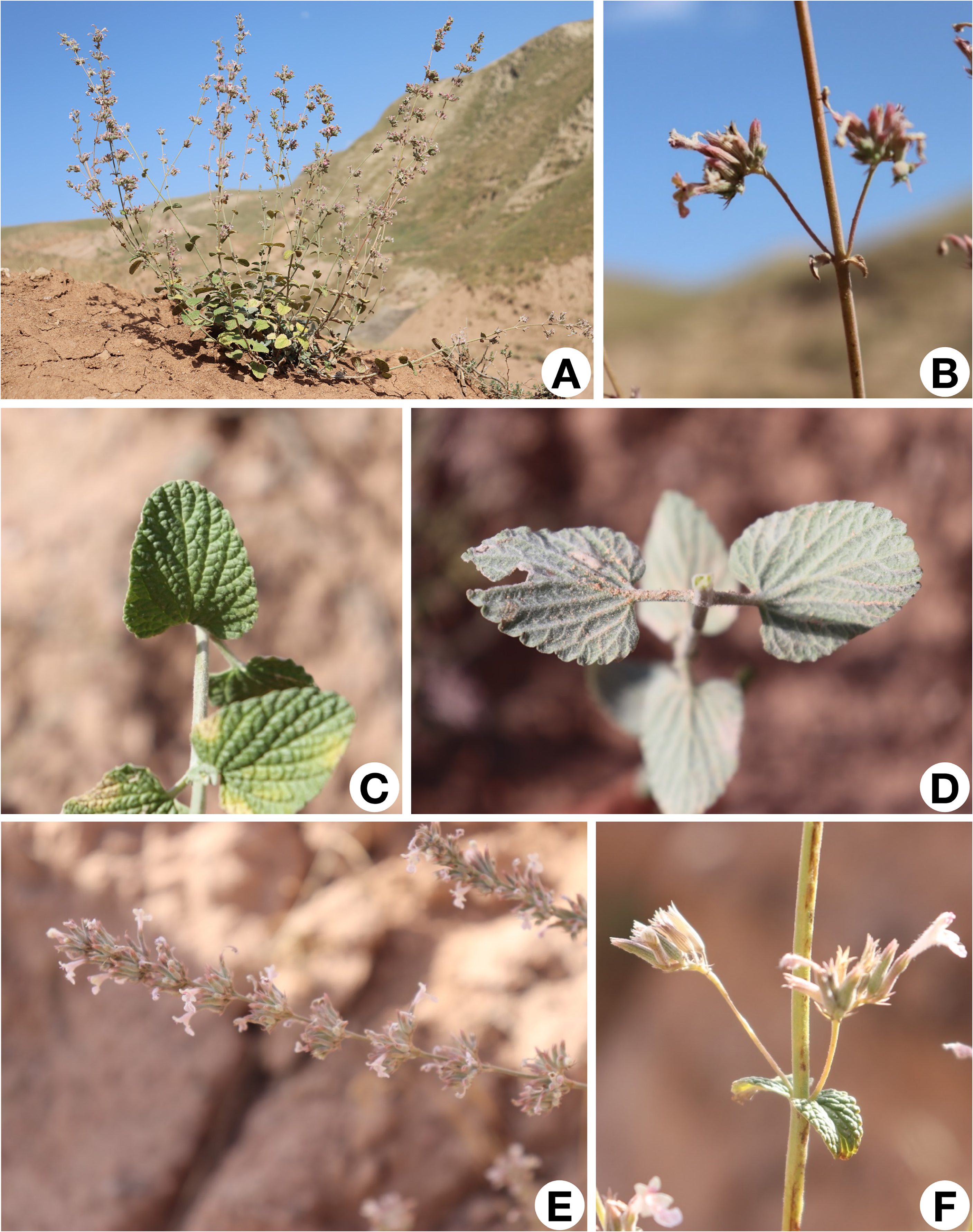
Prunella vulgaris is a perennial herb that typically grows to a height of 10 to 30 cm. It features square stems, characteristic of the Lamiaceae family, and opposite, ovate leaves with serrated edges. The plant produces small, tubular flowers that are usually purple or blue, arranged in whorls at the nodes. The flowers are followed by small, dry, nut-like fruits. The plant is known for its ability to thrive in a variety of soil types and light conditions, making it a common sight in both wild and cultivated settings.
Habitat
This species is commonly found in moist, shaded areas such as woodlands, meadows, and along the edges of paths and streams. It prefers well-drained soils and can tolerate a range of pH levels. Prunella vulgaris is often seen in disturbed habitats and can be found growing in gardens, along roadsides, and in other anthropogenic environments. Its adaptability allows it to flourish in both temperate and subtropical climates.
Cultivation
Prunella vulgaris is relatively easy to cultivate and can be grown from seeds or by dividing the roots. It prefers partial shade and moist, fertile soil but can tolerate drier conditions once established. The plant is often used in gardens for its ornamental value and its ability to attract pollinators such as bees and butterflies. It is also beneficial in naturalizing areas and can be used in ecological restoration projects due to its hardiness and rapid growth.
Uses
Prunella vulgaris has a long history of use in traditional medicine, where it has been employed to treat a variety of ailments, including wounds, inflammation, and digestive issues. The plant is rich in flavonoids and other bioactive compounds, which contribute to its medicinal properties. It is also used in the production of herbal teas and tinctures. In addition to its medicinal uses, the plant is sometimes used as a ground cover in landscaping due to its attractive foliage and flowers. It is also a valuable addition to wildlife gardens, as it supports pollinators and other beneficial insects.
Other common names
Carpenter WeedCommon Heal-AllCommon Self-HealCommon SelfhealHeal-AllSelf-HealSelfheal
Distribution
Açores · Madeira · Portugal Continental · BR · Corvo Island · Faial Island · Flores Island · Graciosa Island · Pico Island · Santa Maria Island · São Jorge Island · São Miguel Island · Terceira Island · Madeira Island · Parque Nacional Natural Los Nevados | Parque Nacional Natural Chingaza · DK · FI · IS · NO · SE · RU · ZA · CL · Parque Nacional Natural Los Nevados · French Southern and Antarctic Lands Terres australes et antarctiques françaises (TAAF) · No especificado · Flanders · AR · Vermont-US · ES
Synonyms
Prunella vulgaris subsp. parviflora