Bugleweed
Lycopus europaeus L.

Lycopus europaeus, commonly known as bugleweed, is a perennial herb native to Europe and Asia. It is a member of the Lamiaceae family, which includes many aromatic and medicinal plants. The plant is also known by other common names such as gypsywort and water horehound. It has been naturalized in various regions outside its native range. Lycopus europaeus is often confused with Lycopus americanus, a related species that has been mistakenly referred to by the same name.
Description
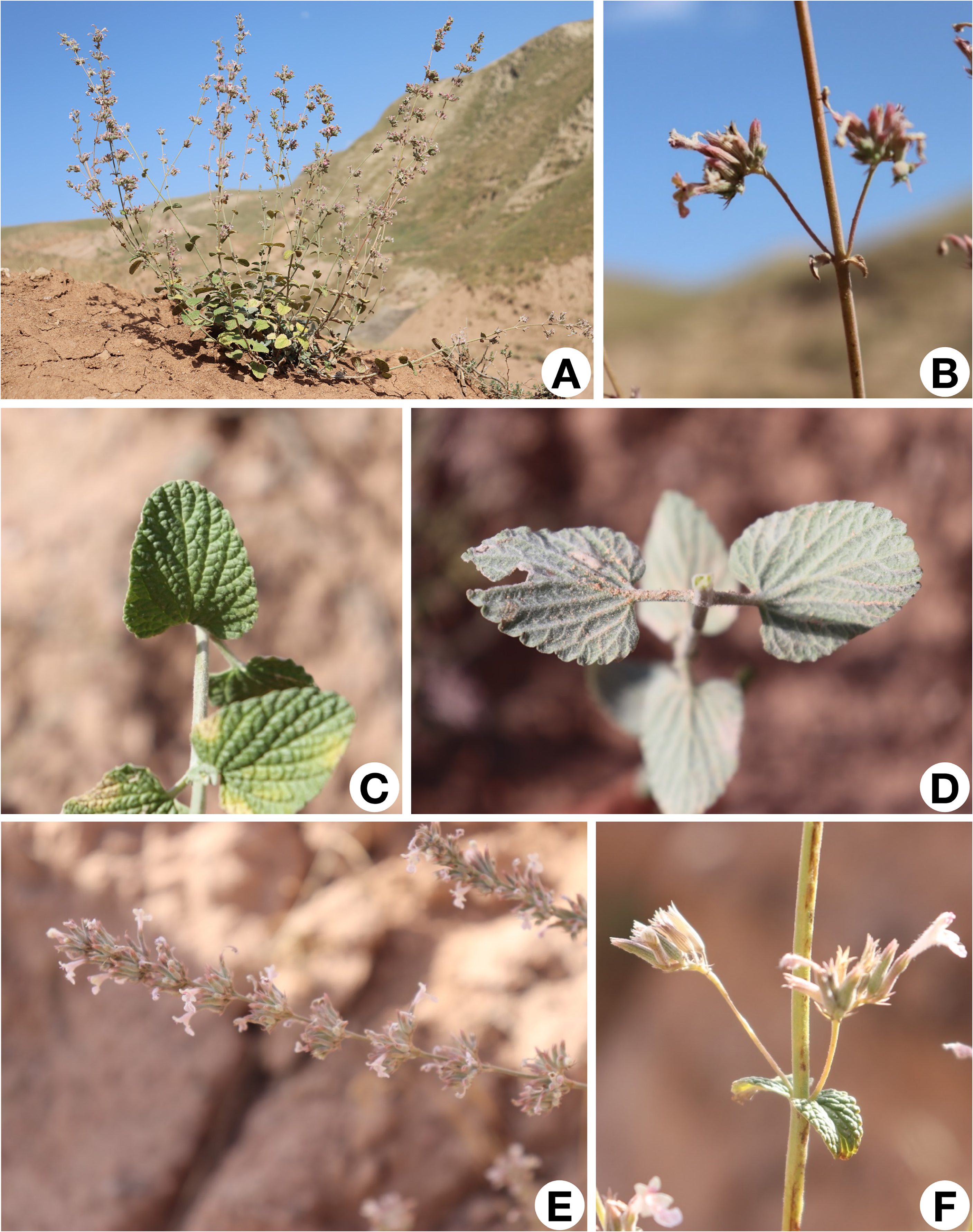
Lycopus europaeus is a herbaceous perennial that typically grows in moist environments. It features square stems, a characteristic of the Lamiaceae family, and opposite, lance-shaped leaves that are often toothed or serrated. The plant produces small, tubular, purple or pink flowers that are arranged in dense whorls along the upper part of the stem. These flowers are attractive to pollinators such as bees and butterflies. The plant can grow up to 1 meter in height and is known for its creeping growth habit, which allows it to spread along the ground.
Habitat
Bugleweed is commonly found in wetland habitats, including the edges of ponds, streams, and marshes. It prefers moist, shady areas and is often found in low-lying regions where water tends to accumulate. The plant is well adapted to damp, clay-rich soils and can tolerate periods of flooding. It is native to a wide range of regions across Europe and Asia, and it has also been introduced and naturalized in parts of North America and other temperate regions.
Cultivation
Lycopus europaeus is relatively easy to grow in a garden setting, provided that the soil remains consistently moist. It thrives in partial to full shade and requires regular watering to maintain its health. The plant can be propagated through division or by seed, and it tends to spread readily, making it suitable for use in moist garden borders or as a ground cover in shaded areas. However, due to its spreading nature, it may require some control to prevent it from becoming invasive in smaller gardens.
Uses
Historically, Lycopus europaeus has been used in traditional herbal medicine for its purported antiseptic and astringent properties. It has been employed in the treatment of various ailments, including skin conditions and respiratory issues. The plant is also valued for its ornamental qualities in gardens, particularly in water gardens or moist areas where it can add a touch of color with its attractive flowers. In ecological contexts, it provides habitat and food for pollinators and contributes to the biodiversity of wetland ecosystems.
Other common names
BugleweedEuropean BugleweedEuropean Water-HorehoundGipsy WortGipsywortGypsywortwater horehound
Distribution
British Columbia · New Brunswick · Nova Scotia · Ontario · Quebec · Açores · Portugal Continental · Faial Island · Flores Island · Pico Island · Santa Maria Island · São Jorge Island · São Miguel Island · Terceira Island · Oriental (Indomalaya) · Palaearctic · DK · FI · NO · SE · CL · Flanders · Azores · NZ · Global · Tarapacá Region |Atacama Region |Coquimbo Region |Valparaíso Region |Metropolitana Region |O'Higgins Region |Maule Region |Biobío Region |Araucanía Region |Los Lagos Region |Los Ríos Region · CA · conterminous 48 United States · Vermont-US · Belgium
Synonyms
Lycopus alboroseusLycopus albusLycopus aquaticusLycopus decrescensLycopus europaeus subsp. menthifoliusLycopus europaeus subsp. mollisLycopus laciniatusLycopus menthifoliusLycopus mollisLycopus nigerLycopus palustrisLycopus ripariusLycopus solanifoliusLycopus soulieiLycopus vulgarisLycopus europaeus var. menthifoliusLycopus europaeus var. subpinnatifidusLycopus europaeus var. incanusLycopus europaeus f. pusillusLycopus europaeus f. glabrescensLycopus europaeus var. pubescensLycopus europaeus f. velutinaLycopus europaeus var. hirsutusLycopus europaeus var. trichophoraLycopus europaeus var. mollisLycopus europaeus var. glabrescensLycopus europaeus var. stoloniferLycopus europaeus var. proceriorLycopus riparius var. incisusLycopus europaeus var. elatior