Broad-leaved Sugarbush
Protea eximia (Knight) Fourc.

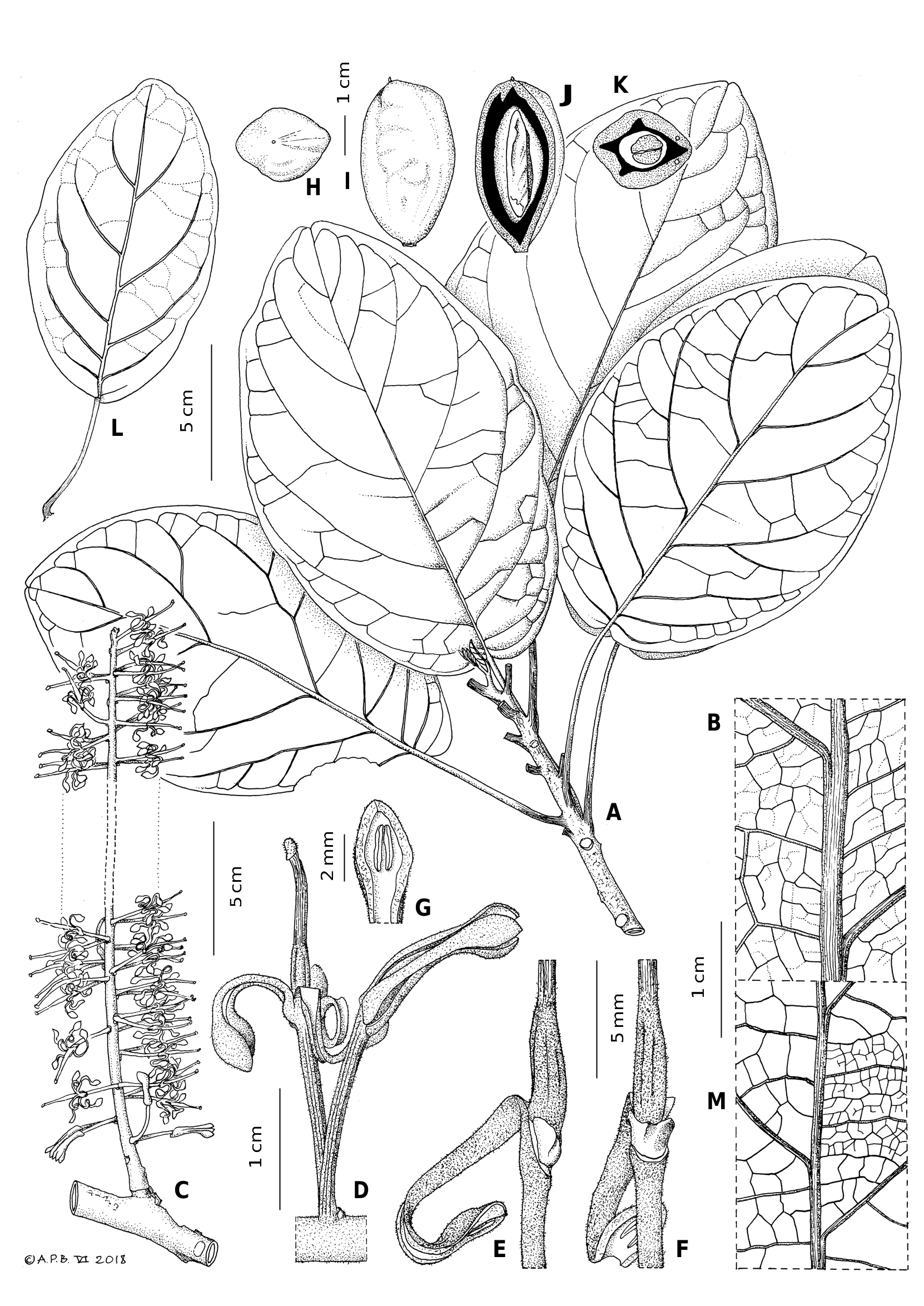
Protea eximia, known as the broad-leaved sugarbush, is a shrub native to South Africa that can grow into a small tree. It is found in mountain fynbos habitats, typically on mildly acidic sandy soils. Previously known as Protea latifolia, this species is characterized by its flowers with purple-black, velvety-haired awns enclosed in ring-like involucral bracts. The fruit is a hairy nut clustered on a woody base. Flowers are terminal on long shoots and become untidy with age.
Description
Protea eximia is a member of the Proteaceae family and is native to the Cape Provinces of South Africa. It is a shrub that can reach small tree proportions and is adapted to the fynbos biome. The species is distinguished by its striking flowers, which feature awns covered in purple-black velvety hairs and are enclosed by bracts that resemble petals. The plant produces a cluster of densely hairy nuts on a woody base. Flowers are borne at the tips of long shoots and tend to become disheveled as they mature. It was previously known as Protea latifolia before being reclassified as Protea eximia by Fourc. in 1932.
Other common names
Broad-leaved Sugarbush
Distribution
Global · Cape Provinces
Synonyms
Protea auriculataProtea spectabilisProtea radiataScolymocephalus spectabilisScolymocephalus eximiusScolymocephalus auriculatusErodendrum eximiumProtea latifoliaProtea latifolia var. auriculata