Bonpland's croton
Croton bonplandianus Baill.

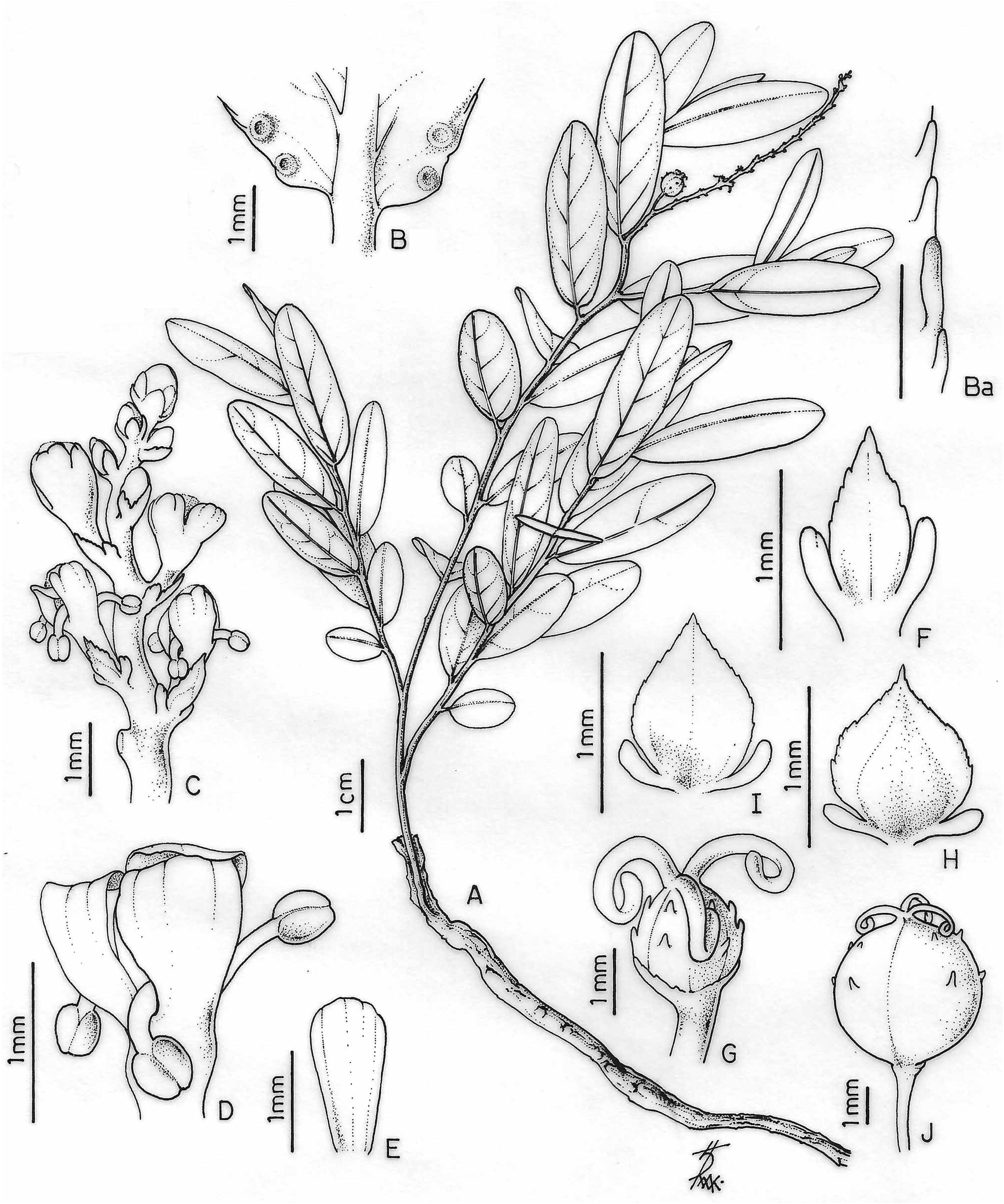
Croton bonplandianus is a small shrub belonging to the Euphorbiaceae family, widely distributed across tropical and subtropical regions. It is distinguished by its lax inflorescences, oblongoid capsules, and specific nectary glands. The species exhibits regional variation in indument and has been occasionally misidentified as C. glyptospermus due to morphological similarities.
Description
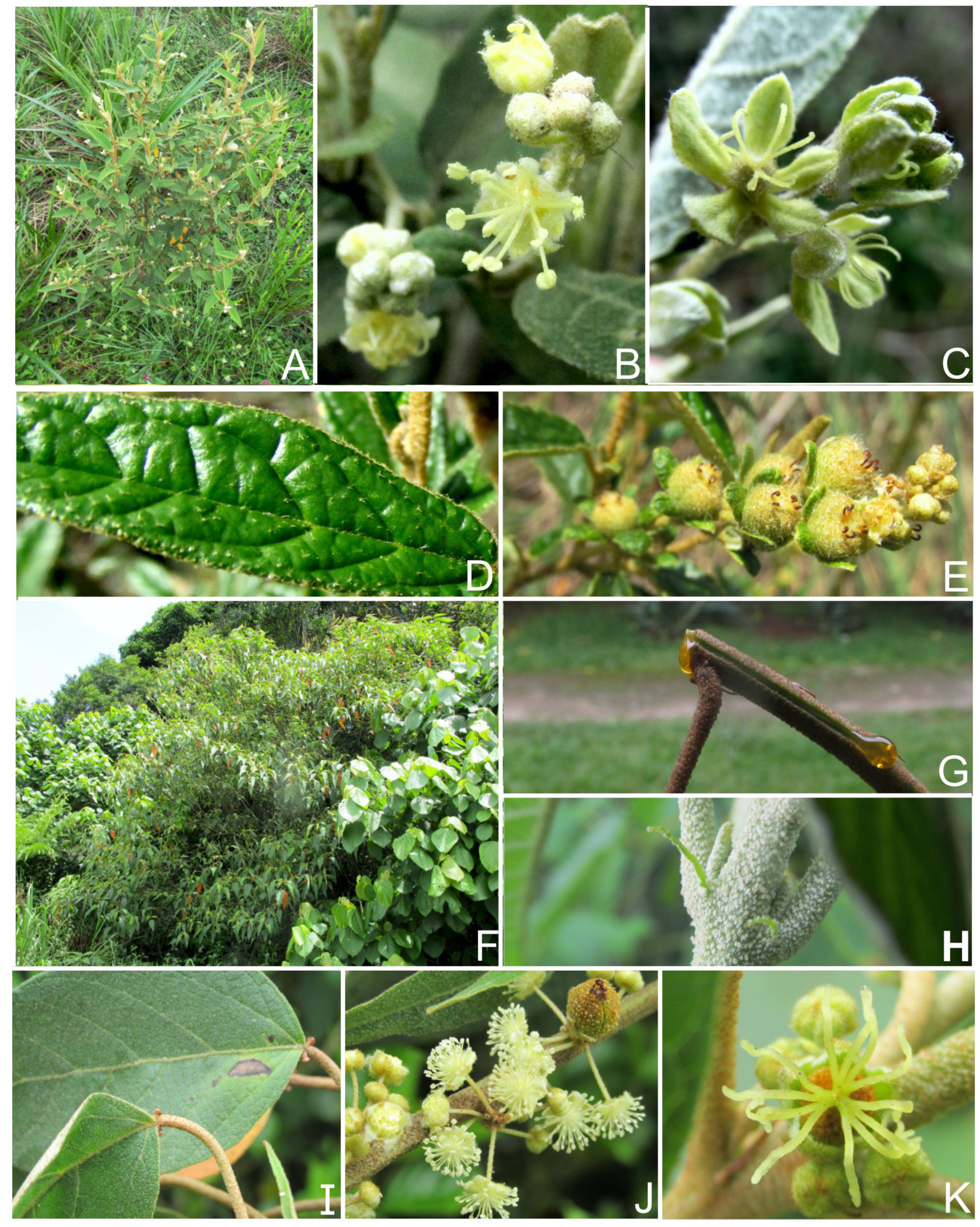
Croton bonplandianus is a small shrub characterized by its delicate, lax inflorescences and oblongoid capsules. It possesses a pair of sessile or subsessile patelliform basilaminar nectary glands. The species is known for its variability in indument, with specimens from Paraná being unusually glabrescent compared to those from Paraguay, Argentina, and Bolivia, which retain a sparse covering of whitish trichomes on branches, leaves, and fruits. Leaves are ovate-lanceolate to lanceolate with serrulate margins, distinguishing it from C. glyptospermus, which has ovate to broadly ovate leaves with entire margins and densely pubescent abaxial surfaces. The fruit is oblongoid, contrasting with the globose fruit of C. glyptospermus.
Habitat
Croton bonplandianus is found in a wide range of habitats across its native and introduced ranges, including tropical and subtropical regions. It is commonly found in disturbed areas, open woodlands, and along roadsides. The species is well adapted to a variety of soil types and can tolerate both dry and moist conditions, making it a resilient and adaptable plant in different ecological settings.
Cultivation
Croton bonplandianus is relatively easy to cultivate in warm, well-drained soils. It thrives in full sun to partial shade and is drought-tolerant once established. The plant is suitable for use in ornamental gardens, particularly in regions with a tropical or subtropical climate. Propagation is typically carried out through seeds or cuttings. Due to its adaptability and low maintenance requirements, it is often used in landscaping and as a hedge plant.
Uses
Croton bonplandianus has limited direct economic use but is occasionally grown as an ornamental plant in gardens and landscapes. Its ability to thrive in disturbed environments also makes it a potential candidate for ecological restoration projects. However, like many members of the Euphorbiaceae family, it may contain latex or other compounds that can cause skin irritation, so caution is advised when handling the plant.
Other common names
Bonpland's croton
Distribution
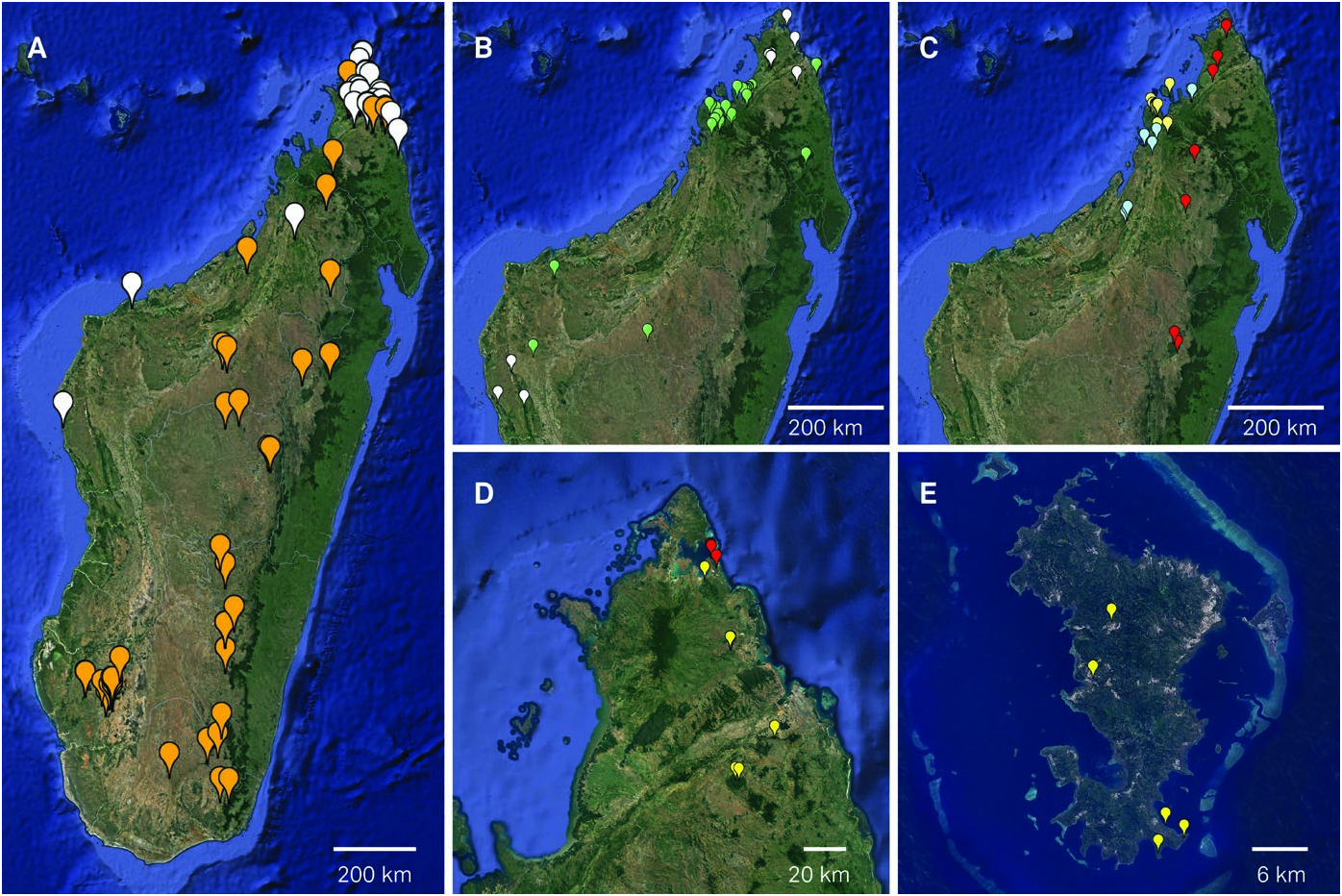
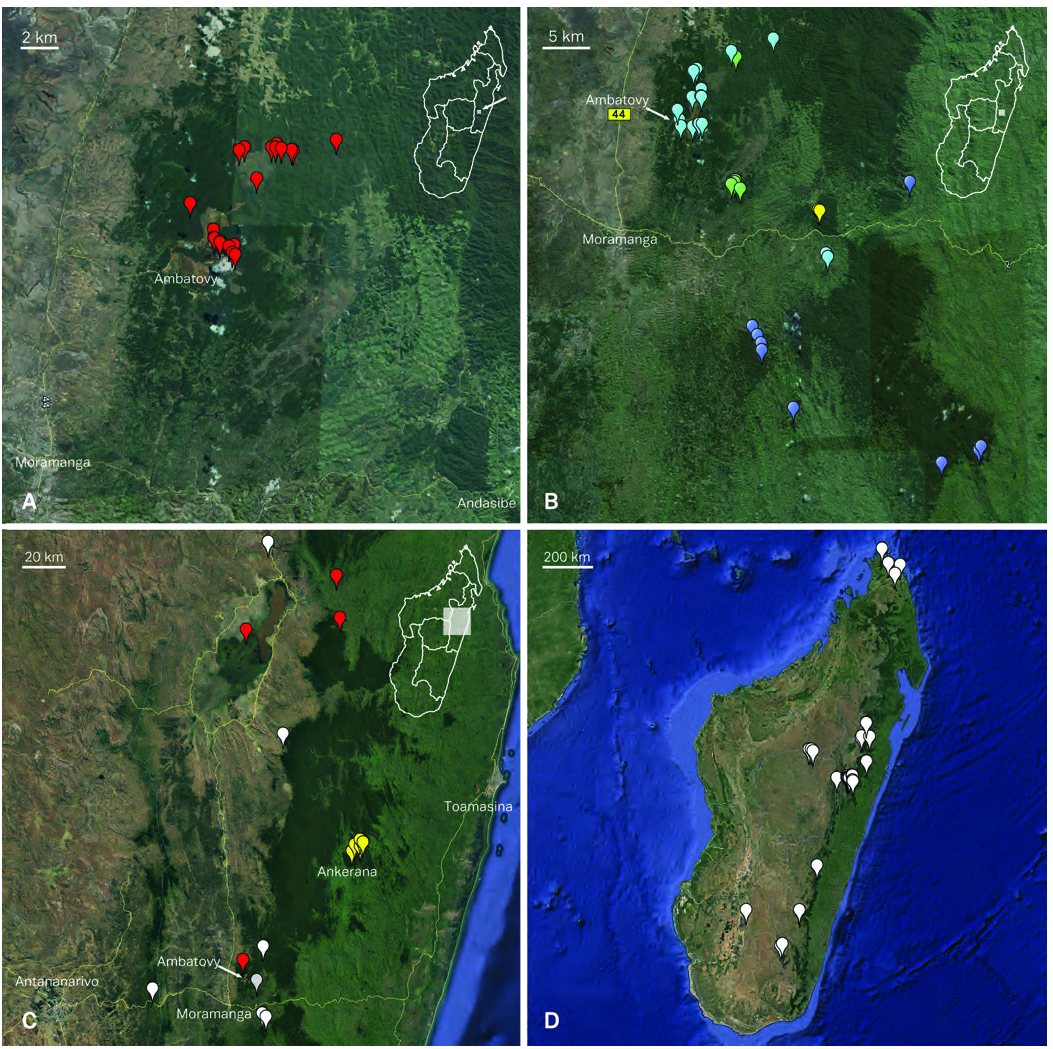
BR · TW · ZA · SA · NP · BD · PK · KM · SG · YT · IN · MY · MG · TL · BO · conterminous 48 United States · Andaman Is. · Argentina Northeast · Argentina Northwest · Assam · Bangladesh · Bolivia · Borneo · Brazil South · Brazil West-Central · Cambodia · Comoros · East Himalaya · Gulf States · India
Synonyms
Oxydectes bonplandianaOxydectes pauperulaOxydectes sparsifloraCroton pauperulusCroton rivinoidesCroton sparsiflorus