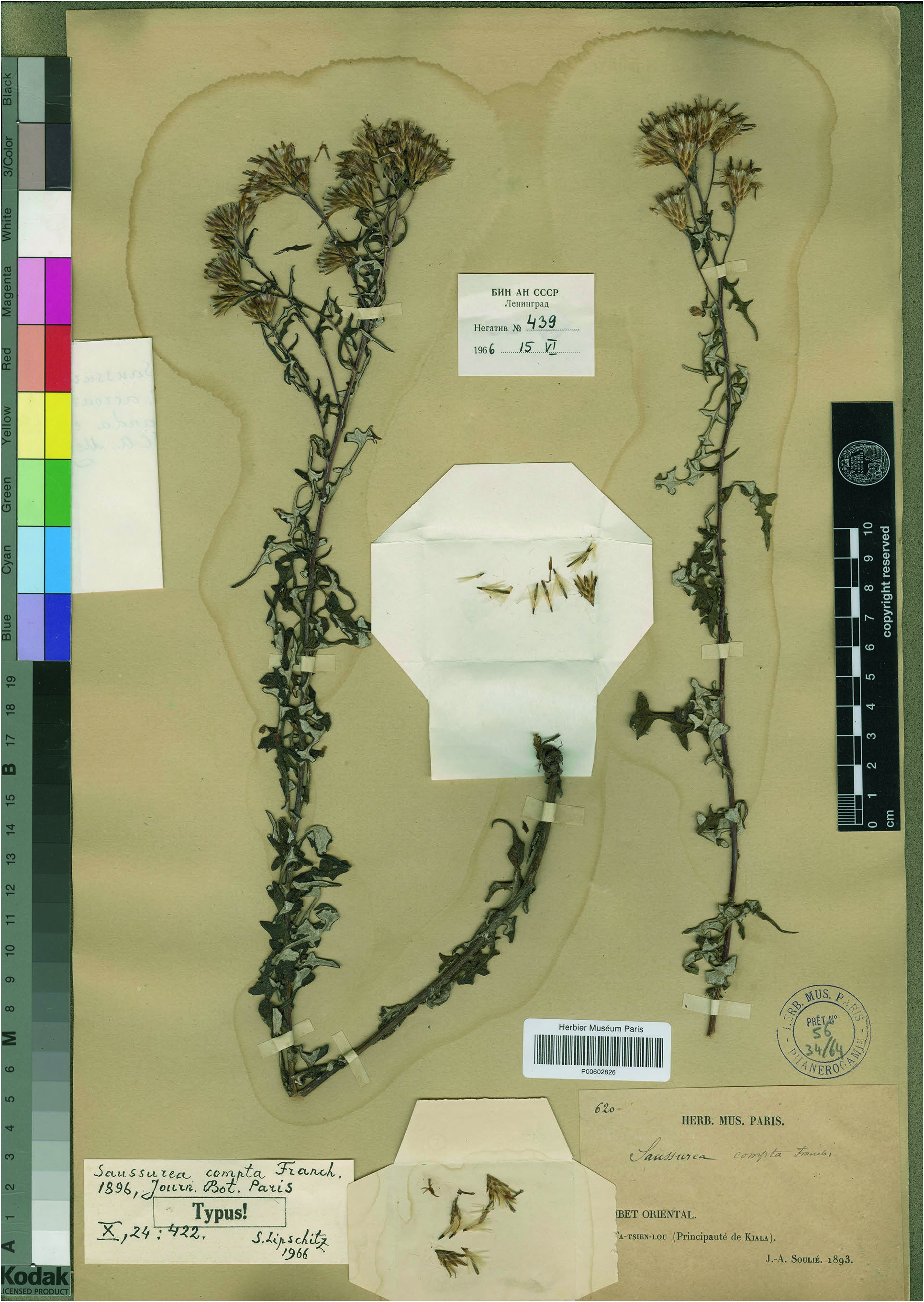
Bloodwort
Achillea millefolium L.
Achillea millefolium, known as yarrow or bloodwort, is a hardy flowering plant native to the northern hemisphere and widely distributed across North America, Europe, and parts of the Atlantic islands. It is a member of the Asteraceae family, commonly referred to as the aster, daisy, or sunflower family. This plant is easily recognized by its feathery, fern-like leaves and clusters of small, white or pinkish flowers. It is a perennial herb that can grow up to 1 meter in height and is known for its aromatic, pungent scent.
Description
Achillea millefolium is a robust perennial herb with a deep taproot that allows it to thrive in a variety of soil conditions. The plant features finely divided, fern-like leaves that are alternately arranged along the stem. These leaves are typically green, with a rough texture and a strong, spicy odor when crushed. The flowers are small and clustered in flat-topped inflorescences known as corymbs, with each flower having five white or pinkish petals. The plant blooms from late spring to early autumn and is often found in meadows, along roadsides, and in disturbed areas.
Habitat
Achillea millefolium is highly adaptable and can be found in a wide range of habitats, including meadows, pastures, roadsides, and disturbed soils. It prefers well-drained soils and full sun but can tolerate partial shade and dry conditions. The plant is native to temperate regions of the northern hemisphere and has been naturalized in many other parts of the world. It is commonly found in open, sunny areas and is often one of the first plants to colonize disturbed ground.
Cultivation
Achillea millefolium is easy to grow and is often cultivated in gardens for its ornamental value and medicinal properties. It prefers full sun and well-drained soil, though it can tolerate poor soil conditions. The plant is drought-tolerant once established and requires minimal maintenance. It can be propagated by seed, division, or cuttings. To prevent excessive spreading, it is advisable to deadhead the flowers before they set seed. Regular pruning can help maintain a compact, bushy growth habit.
Uses
Achillea millefolium has a long history of use in traditional medicine and is known for its astringent, anti-inflammatory, and antiseptic properties. It has been used to treat wounds, fevers, digestive issues, and menstrual disorders. The plant is also used in herbal teas and tinctures. In addition to its medicinal uses, yarrow is valued in gardens for its ability to attract beneficial insects such as ladybugs and lacewings. It is also used in companion planting to deter pests and improve soil health.
Other common names
BloodwortCarpenter'S WeedCommon YarrowMilenramaMilfoilNose BleedSanguinaryThousand SealWestern YarrowYarrowYarrow, Milfoil
Distribution
Labrador · Newfoundland · Alberta · British Columbia · Manitoba · New Brunswick · Nova Scotia · Northwest Territories · Ontario · Prince Edward Island · Quebec · Saskatchewan · Saint Pierre and Miquelon · Açores · Madeira · Portugal Continental · Faial Island · Santa Maria Island · São Miguel Island · Madeira Island · Parque Nacional Natural Sumapaz · DK · FI · IS · NO · SE · TW · RU · ZA · CL
Synonyms
Achillea palmeriAchillea roseaAchillea millefolium var. litoralisAchillea cristataAchillea subalpinaAchillea lanataAchillea haenkeanaAchillea pacificaAchillea millefolium f. millefoliumAchillea millefolium f. rubicundaChamaemelum tanacetifoliumAchillea dentiferaAchillea puberulaAchillea roseaAchillea virgataAchillea sylvaticaAchillea millefolium f. roseaAchillea pumilaAchillea ossicaAchillea pecten-venerisAchillea subhirsutaAchillea magnaAchillea sordidaAchillea laxifloraAchillea ambiguaAchillea megacephalaAchillea cuspidataAchillea ochroleucaAchillea californicaAchillios millefoliatus