black-pigweed
Trianthema portulacastrum L.

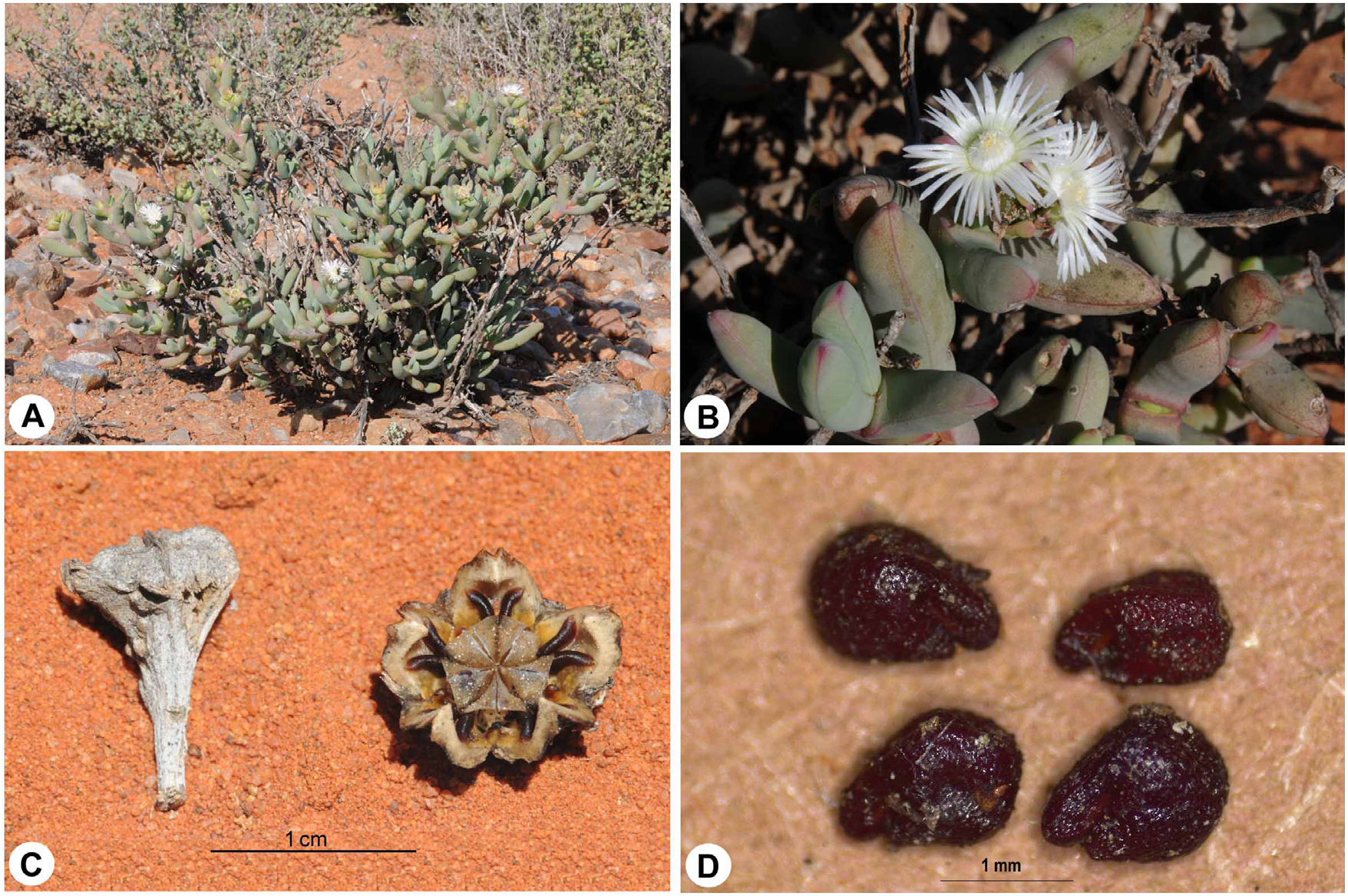
Trianthema portulacastrum is a widespread annual herb in the Aizoaceae family, known for its adaptability to disturbed and arid environments. It is commonly referred to as black-pigweed and is native to multiple continents, including Africa, South America, and parts of Asia. The species is often found in coastal sands, cultivated fields, and other disturbed sites, where it can become invasive. Its prostrate growth habit and rapid colonization make it a frequent weed in agricultural and urban settings.
Description
Trianthema portulacastrum is an annual herb with a prostrate growth form, meaning it grows along the ground. It is characterized by its succulent-like leaves and small, inconspicuous flowers. The plant is often found in dry, sandy soils and is highly adaptable to various environmental conditions. It is commonly found in disturbed habitats such as roadsides, cultivated fields, and coastal dunes. Its ability to thrive in poor soils and under harsh conditions contributes to its widespread distribution.
Habitat
Trianthema portulacastrum is typically found in disturbed and open habitats, including coastal sands, cultivated fields, roadsides, and other anthropogenic environments. It is well adapted to arid and semi-arid conditions and can thrive in poor, sandy soils. The plant is often associated with areas that have been recently disturbed, such as construction sites or agricultural fields, where it can quickly establish and spread.
Cultivation
As a weed species, Trianthema portulacastrum is not typically cultivated for agricultural or ornamental purposes. Its rapid growth and ability to colonize disturbed soils make it a common invader in cultivated areas and urban environments. While it does not require special care or conditions to grow, its presence is often considered problematic in agricultural settings due to its competitive nature and potential to reduce crop yields.
Uses
Trianthema portulacastrum is not widely used for commercial or traditional purposes. In some regions, it may be used as a forage plant for livestock, but its value as a food source is limited. The plant is more commonly regarded as a weed due to its invasive potential in agricultural and disturbed areas. Its ecological role is primarily as a pioneer species that helps stabilize disturbed soils and may provide habitat for small insects and invertebrates.
Other common names
Desert horsepurslanedesert-horsepurslaneblack-pigweeddesert horse-purslanegiant-pigweedhorse-purslanehorse purslane
Distribution
Antioquia, Cauca, La Guajira, Magdalena, Santander, Tolima · BR · SA · BI · PK · KM · IL · TF · Tona · MG · PG · IR · PH · AU · TL · Antioquia, La Guajira · TW · JP · SV · HN · GT · Hawaii · Alabama · Aldabra · Angola · Argentina Northeast · Argentina Northwest · Arizona · Arkansas · Aruba
Synonyms
Portulacastrum monogynumTrianthema monogynumTrianthema obcordatumTetragonia chisimajensisTrianthema monanthogynaTrianthema flexuosumTrianthema procumbens