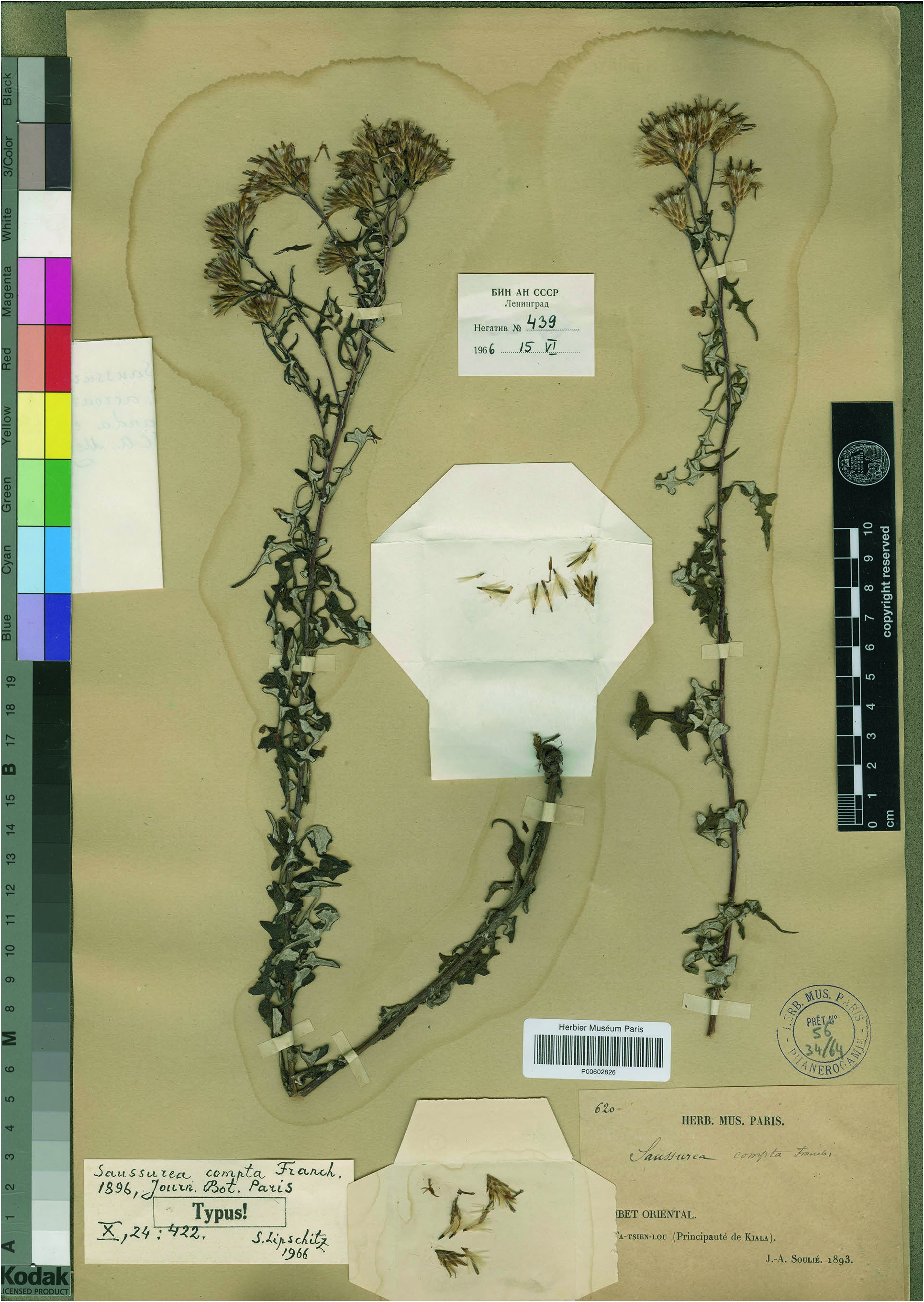
bitterbush
Chromolaena odorata (L.) R.M.King & H.Rob.

Chromolaena odorata, commonly known as bitterbush, is a tropical and subtropical flowering shrub belonging to the Asteraceae family. Native to the Americas, it ranges from the United States, including Florida and Texas, through Mexico and the Caribbean to South America. It has been introduced and naturalized in tropical Asia, West Africa, and parts of Australia. Known for its invasive potential, it thrives in a variety of habitats, including wooded savannahs, forest fringes, river and lake margins, and disturbed areas such as fallow land and farmland. The plant is also used for medicinal purposes and is known by several local names, including kongoxica and sida.
Description
Chromolaena odorata is an annual herb or shrub that grows in a range of environments, from open savannahs to the edges of forests. It is often found near water bodies such as rivers and lakes, and it can become invasive in agricultural and disturbed areas. The plant is characterized by its aromatic leaves and clusters of small, yellowish flowers. It is used in traditional medicine and has been documented in various regions for its potential therapeutic properties. Despite its utility, it is considered a problematic species in many areas due to its aggressive growth and ability to outcompete native vegetation.
Habitat
Chromolaena odorata is commonly found in wooded savannahs, forest edges, and along the margins of rivers and lakes. It is also prevalent in disturbed habitats such as fallow land and farmland, where it can become invasive. The plant is well-adapted to tropical and subtropical climates and can thrive in a variety of soil types, including those that are nutrient-poor or disturbed.
Cultivation
While Chromolaena odorata is not typically cultivated for ornamental or agricultural purposes, it can be found in disturbed areas and is often considered a weed in agricultural settings. It spreads easily through seeds and can quickly colonize open spaces. Due to its invasive nature, it is often targeted for control in regions where it threatens native ecosystems and agricultural productivity.
Uses
Chromolaena odorata has a history of use in traditional medicine, where it is valued for its potential therapeutic properties. The plant is used in various regions for treating a range of ailments, including respiratory and digestive issues. However, its use is often limited due to its invasive tendencies and the challenges associated with harvesting it from wild populations. In some areas, it is also used as a source of biomass or forage, though its bitter taste and potential toxicity can limit its utility in this regard.
Other common names
Siamweedjack-in-the-bushtriffidweedbutterfly-weeddevilweedChristmasbushhagonoybitterbushparaffin-weedChristmas BushJack in the bush
Distribution
BR · CO · Bolívar · Parque Nacional Natural Serranía de Los Yariguíes | Parque Nacional Natural Macuira | Parque Nacional Natural Sierra de la Macarena | Parque Nacional Natural Los Katíos · TW · MM · ZA · CU · BN · NP · Kosrae · Yap · PW · AI · Belgium · France · The Netherlands · Great Britain · BD · KH · CD · TD · BT · SZ · TH · KM · FM · VN · MU · SG
Synonyms
Osmia odorataChrysocoma maculataOsmia clematitisOsmia divergensOsmia floribundaEupatorium brachiatumEupatorium graciliflorumEupatorium conyzoidesEupatorium sabeanumOsmia atriplicifoliaEupatorium floribundumEupatorium incisumEupatorium conyzoides subsp. conyzoidesEupatorium conyzoides var. conyzoidesEupatorium odoratum f. odoratumEupatorium odoratum var. paucifloraChrysocoma volubilisEupatorium conyzoides var. heterolepisOsmia graciliflorumEupatorium conyzoides f. conyzoidesChrysocoma maculataEupatorium conyzoides var. scaberulumEupatorium conyzoides var. tambillenseEupatorium atriplicifoliumOsmia conyzoidesEupatorium dichotomumEupatorium divergensEupatorium conyzoides var. pauciflorumEupatorium stigmatosumEupatorium conyzoides var. incanum