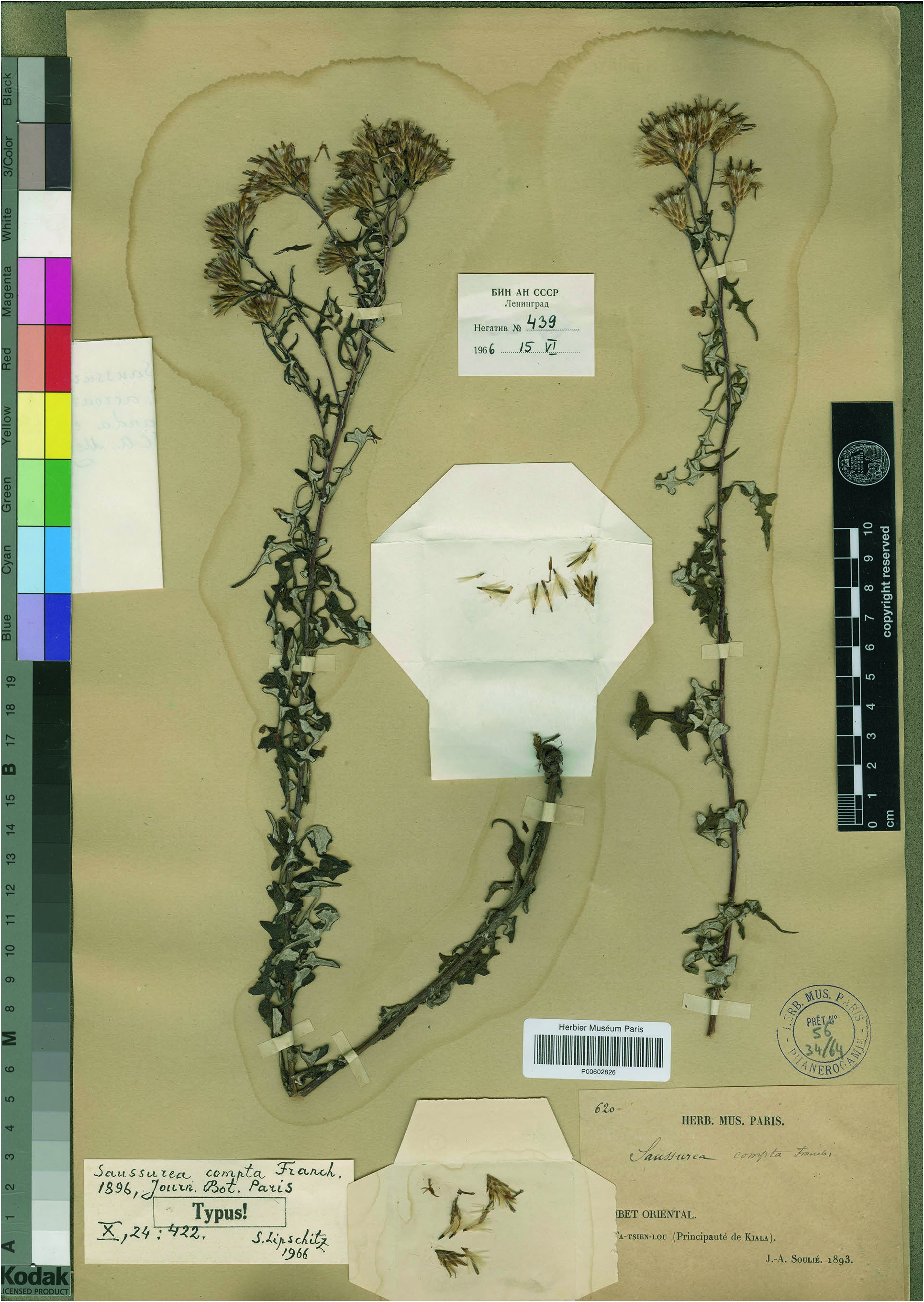
biannual lettuce
Lactuca ludoviciana (Nutt.) Riddell

Lactuca ludoviciana, known as biannual lettuce, is a species of wild lettuce native to North America. It occurs in central and western Canada and the western and central United States, with most populations found on the Great Plains. It was first described in 1835 and belongs to the Asteraceae family. The plant is biennial or occasionally short-lived perennial, with hollow, glabrous stems and deeply lobed, prickly leaves. Its inflorescences are well-branched panicles with yellow corollas. The fruits are dark brown to black, flattened, and winged.
Description
Lactuca ludoviciana is a wild lettuce species with a distribution spanning British Columbia, Manitoba, Ontario, Saskatchewan, and multiple U.S. states. It is characterized by its biennial or short-lived perennial growth habit, with stems that can reach up to 200 cm in height. The leaves are glabrous, with basal and lower stem leaves often clasping the stem and having triangular lobes. Upper leaves are lanceolate to linear. The inflorescences form panicles with 50–100 or more heads. The involucre is cylindrical, and the fruits are dark, flattened, and winged. The species has a chromosome count of 2n = 34.
Other common names
Louisiana lettuceprairie lettucewestern lettucewestern wild lettucebiannual lettuce
Distribution
British Columbia · Manitoba · Ontario · Saskatchewan · Indiana · Colorado · Wyoming · Oregon · North Dakota · Utah · Idaho · Louisiana · Washington · Iowa · Minnesota · Montana · Arizona · Arkansas · Kentucky · Illinois · Wisconsin · California · Texas · Oklahoma · Kansas · Nebraska · South Dakota · New Mexico · Mexico Northeast
Synonyms
Sonchus ludovicianusLactuca campestrisLactuca campestris var. campestrisGalathenium ludovicianumLactuca campestris var. typicaLactuca ludoviciana f. ludoviciana