Bergamot Mint
Mentha aquatica L.

Mentha aquatica is a perennial herb belonging to the Lamiaceae family, commonly known as Bergamot Mint. It is characterized by its preference for wetland habitats and is native to a wide range of regions, including much of Europe, northwest Africa, and southwest Asia. The species was first described by Carl Linnaeus in 1753 and is part of the Mentha genus, which includes many aromatic mints.
Description
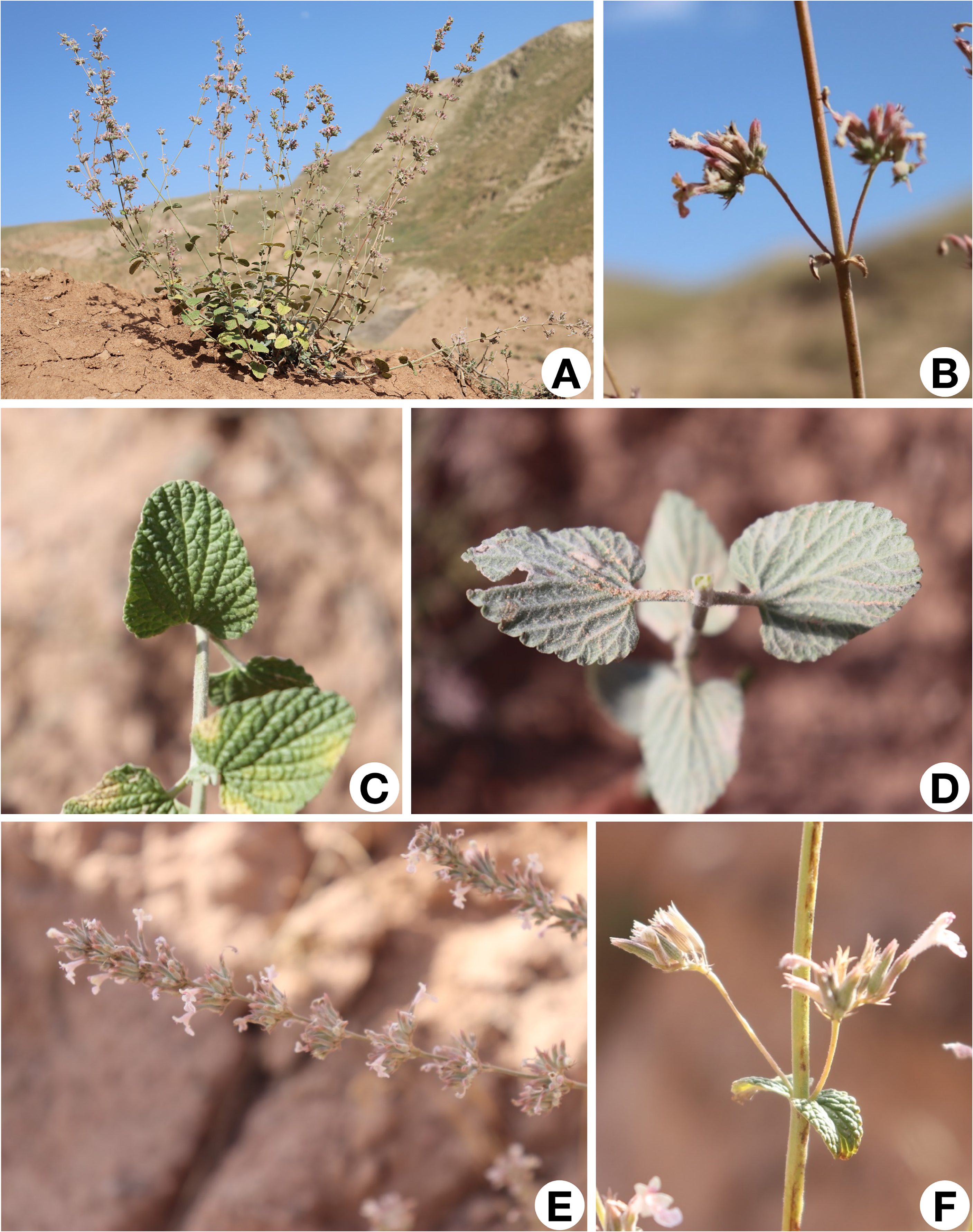
Mentha aquatica is a robust, aromatic herb with square stems typical of the Lamiaceae family. The leaves are usually opposite, lanceolate to ovate in shape, and have serrated margins. The plant produces small, tubular flowers that are typically pink or purple, arranged in whorls along the stem. It spreads readily through rhizomes and can form dense mats in suitable conditions. The plant emits a strong minty scent when crushed, a characteristic shared with other members of the Mentha genus.
Habitat
Mentha aquatica thrives in moist to wet environments, such as stream banks, ditches, marshes, and the edges of ponds and lakes. It is often found in full sun to partial shade and is well adapted to waterlogged soils. The plant is native to a broad range of regions, including much of Europe, parts of northwest Africa, and southwest Asia. It is also present in several Atlantic islands, including the Azores and Madeira, as well as in parts of North America.
Cultivation
Mentha aquatica is relatively easy to grow in garden settings that mimic its natural habitat. It prefers consistently moist soil and partial to full sun. The plant can be propagated through division of rhizomes or by seed. Due to its aggressive growth habit, it is best planted in containers or in areas where its spread can be controlled. Regular pruning may be necessary to prevent it from overtaking other plants in the garden.
Uses
Mentha aquatica has been used historically for its aromatic properties and in traditional herbal medicine. The essential oils extracted from the plant are sometimes used in aromatherapy and in the production of natural insect repellents. In culinary applications, the leaves can be used to flavor teas and beverages, although it is less commonly used in cooking compared to other mint species. The plant is also valued in ecological restoration projects for its ability to stabilize wetland soils and provide habitat for pollinators.
Other common names
Bergamot MintLemon MintWater MintWatermint
Distribution
British Columbia · New Brunswick · Nova Scotia · Ontario · Quebec · Açores · Madeira · Portugal Continental · Corvo Island · Faial Island · Flores Island · Pico Island · Santa Maria Island · São Jorge Island · São Miguel Island · Terceira Island · Madeira Island · Afrotropical · Palaearctic · DK · FI · NO · SE · CL · Flanders · AR · Vermont-US · IN · AU · IS
Synonyms
Marrubium aquaticumMentha acutaMentha acutataMentha adspersaMentha affinisMentha riparia var. angustataMentha aquatica var. calaminthifoliaMentha aquatica subsp. caput-medusaeMentha aquatica var. limnetesMentha aquatica var. polyantheticaMentha stagnalisMentha aquatica var. subdentataMentha aromaticaMentha augustaMentha auneticensisMentha auritaMentha avelliniMentha avelliniMentha brachiataMentha bugulifoliaMentha calaminthifoliaMentha capitataMentha chaixiiMentha citrataMentha cordataMentha crenato-dentataMentha denticulataMentha desegliseiMentha dubiaMentha dunensis