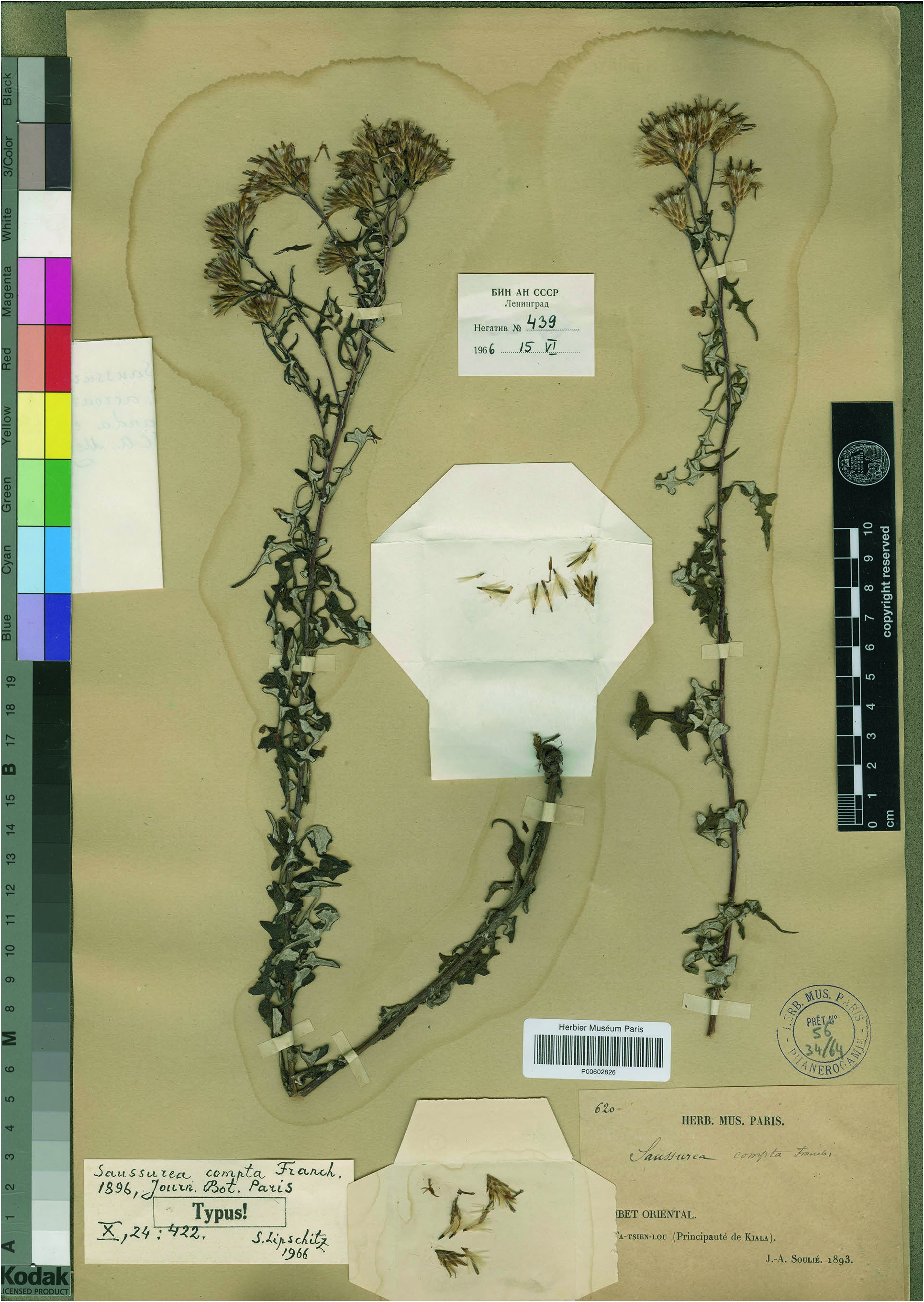
Bastard Nodding Thistle
Carduus acanthoides L.

Carduus acanthoides, commonly referred to as the Bastard Nodding Thistle, is a biennial thistle species belonging to the Asteraceae family. This plant is native to Europe and parts of Asia and has been introduced to various regions beyond its natural range, where it can become invasive. It is characterized by its spiny leaves and stems, and its plumeless, purple to pinkish flowers. The species was first described by Carl Linnaeus in 1753.
Description
Carduus acanthoides is a robust, biennial herb that typically grows up to 1.5 meters in height. The plant has a rosette of spiny, lance-shaped leaves in its first year, followed by an upright, branched stem in the second year. The leaves are deeply lobed with sharp spines along the margins and are covered with a whitish, woolly coating when young. The flowers are clustered in showy, purple to pink inflorescences that lack the feathery plumes characteristic of many other thistle species. The plant produces achenes with small, conical pappus, facilitating wind dispersal.
Habitat
This thistle is commonly found in a variety of open and disturbed habitats, including roadsides, fields, pastures, and waste areas. It thrives in well-drained soils and is often associated with agricultural and urban environments. Its adaptability allows it to colonize a wide range of conditions, which contributes to its invasive potential in non-native regions.
Cultivation
Carduus acanthoides is not typically cultivated for ornamental or agricultural purposes. However, its ability to thrive in disturbed soils and its rapid growth make it a common sight in cultivated and semi-natural landscapes. Control measures are often necessary in areas where it is considered a weed, as it can outcompete native vegetation and reduce crop yields. Mechanical removal, herbicides, and biological control agents are commonly used to manage its spread.
Uses
While not widely used for commercial or culinary purposes, Carduus acanthoides has been historically noted for its potential in traditional herbal medicine. However, its primary significance lies in its ecological impact, particularly in regions where it has become invasive. In some cases, it serves as a nectar source for pollinators, but its prickly nature and aggressive growth often outweigh these benefits in managed ecosystems.
Other common names
Bastard Nodding ThistleBroad-Winged ThistlePlumeless ThistleSpiny Plumeless ThistleTapapa ThistleWelted Thistlebristly thistle
Distribution
Belgium · Brussels-Capital Region · Flemish Region · Walloon Region · France · The Netherlands · Great Britain · NO · UZ · KG · BY · FR · UA · AR · Estonia · Latvia · Lithuania · Bulgaria · Czech Republic · Slovakia · Denmark · Finland · Germany · Norway · Sweden · Ukraine · SE · Vermont-US · CZ · PL
Synonyms
Carduus ruderalisCarduus thessalusCarduus acuminatusCarduus murfatlariiCarduus polyanthosCarduus fortiorCarduus crispus var. litiginosusCarduus crispusCarduus medius subsp. martriniiCarduus polyacanthusCarduus sinuatusCarduus martriniiCarduus acanthoides f. acanthoidesCarduus camporumCarduus velebiticus