Bastard Cress
Lepidium campestre (L.) W.T.Aiton

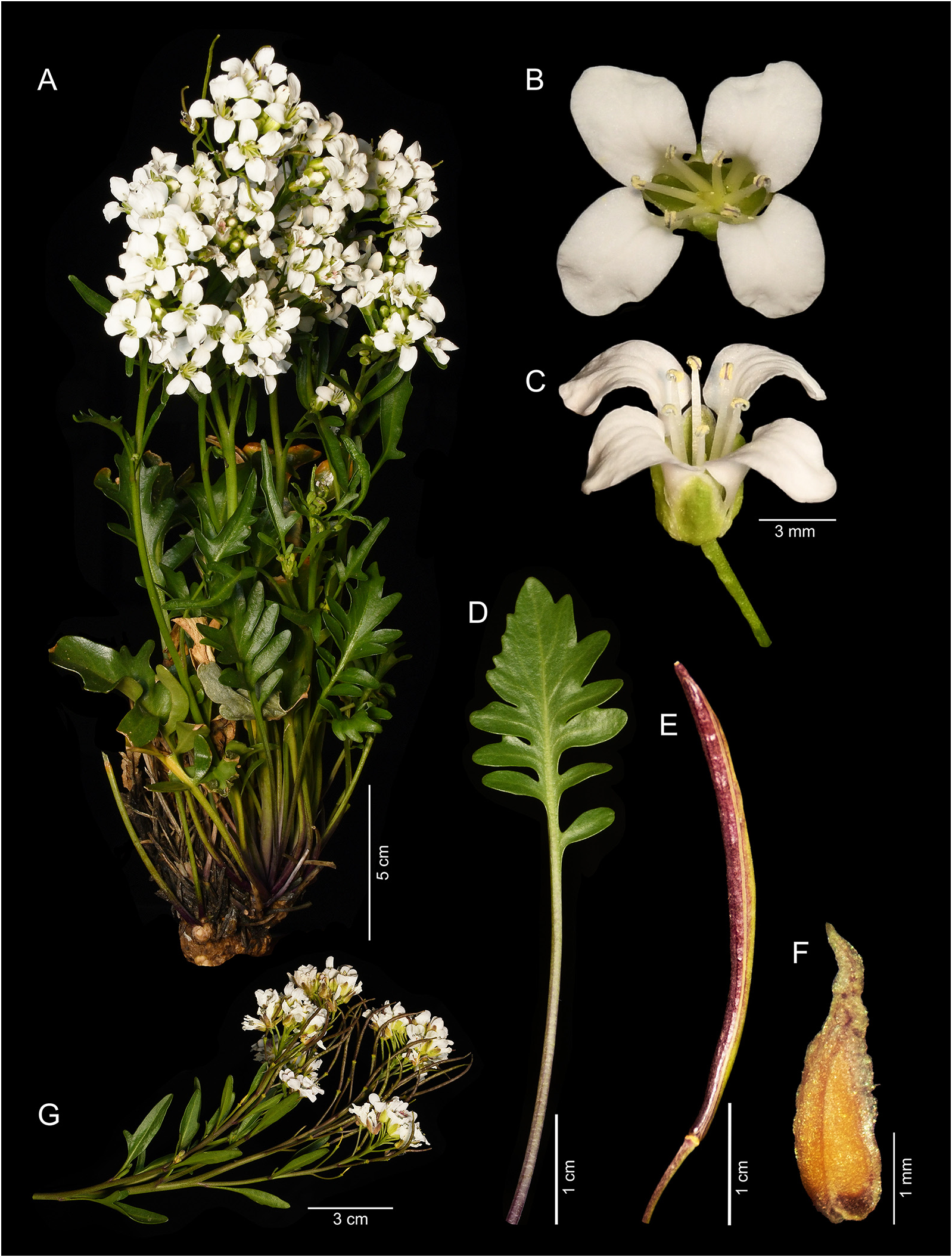
Lepidium campestre (L.) W.T.Aiton, known as Bastard Cress, is a biennial or annual plant in the Brassicaceae family. Native to Europe, it has become naturalized in North America and other regions. It is characterized by a raceme of flowers that branch from the stem, followed by green, flat seedpods that turn brown and contain two small seeds.
Description
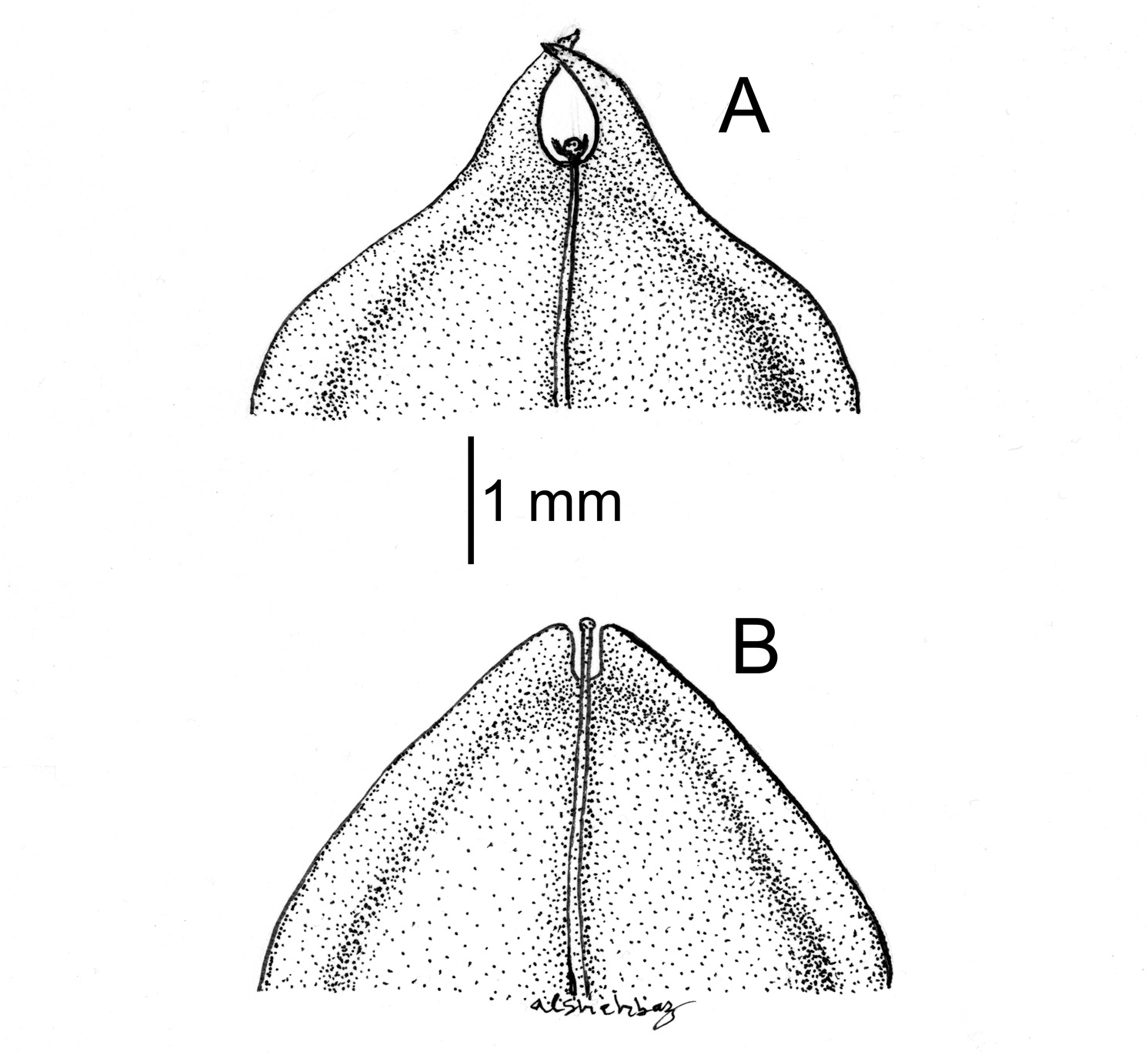
Lepidium campestre is a member of the Brassicaceae (mustard) family and is commonly found as an invasive weed in North America, despite being native to Europe. The plant typically grows as a biennial or annual, with a notable feature being the forked racemes of flowers that emerge from the stem. Initially, these racemes bear small white flowers, which later develop into green, flat, oval-shaped seedpods measuring approximately 6 mm in length and 4 mm in width. Each seedpod contains two brown seeds, each about 2.5 mm long. The species was first described in 1812 and is now distributed across multiple regions, including parts of Canada, the United States, and various countries in Europe, South America, and Africa.
Other common names
Bastard CressCommon PepperwortCream-Anther Field PepperwortField CressField PeppergrassField PepperweedField PepperwortPepperwortWild Pepper Grass
Distribution
Newfoundland · Alberta · British Columbia · New Brunswick · Nova Scotia · Ontario · Prince Edward Island · Quebec · Saskatchewan · Saint Pierre and Miquelon · RU · ZA · IE · BR · GB · French Southern and Antarctic Lands Terres australes et antarctiques françaises (TAAF) · NO · BY · UA · SE · Vermont-US · CZ · EE · PL · CN · AU · LV · BG · DK · JP
Synonyms
Lepia campestrisThlaspi vulgatiusThlaspi vulgatumThlaspi hirsutumCrucifera lepidiumIberis campestrisLepia accedensLepia campicolaLepia errabundaLepidium accedensLepidium campicolaLepidium errabundumLepidium vagumLasioptera campestrisLepidium denticulatumThlaspi campestreNeolepia campestrisCoronopus campestris