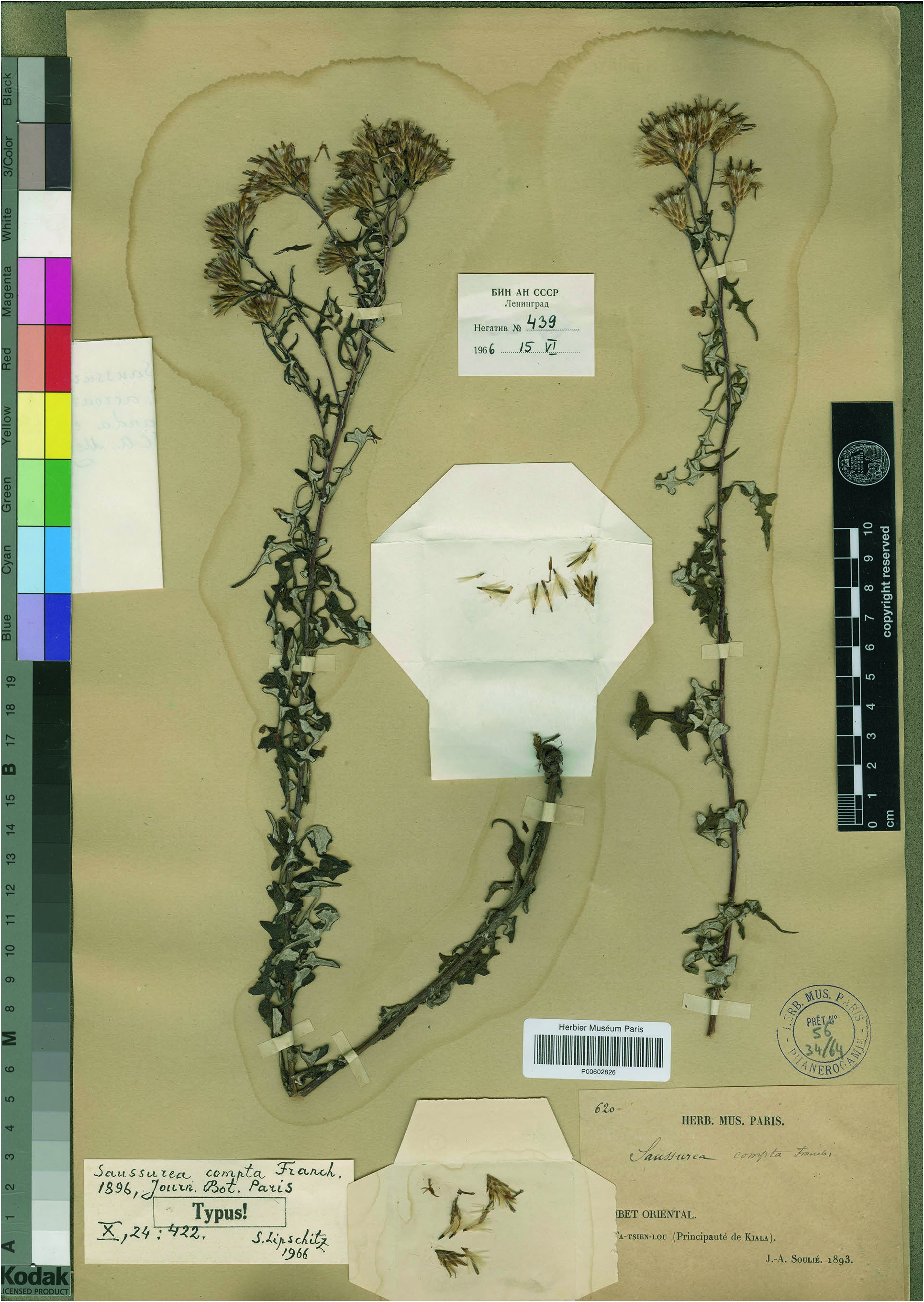
Bachelor'S Button
Centaurea cyanus L.

Centaurea cyanus, commonly known as Bachelor's Button or cornflower, is an annual flowering plant in the Asteraceae family. Native to Europe, it is a vibrant blue-flowered species that was historically common in agricultural fields, particularly in cornfields. This plant is now widely cultivated for ornamental purposes and is appreciated for its showy, daisy-like inflorescences. Its scientific name was first published in 1753 by Carl Linnaeus.
Description
Centaurea cyanus is a herbaceous annual that typically grows to a height of 30–80 cm. The plant features stiff, upright stems with lance-shaped, deeply lobed leaves that are arranged alternately along the stem. The most striking feature of this species is its large, showy flower heads, which are composed of a central disc of small yellow florets surrounded by a ring of striking blue to purple ray florets. The flowers are borne singly at the ends of the stems and bloom from early summer through autumn. The plant is known for its resilience and adaptability, thriving in a variety of soil types as long as they are well-drained.
Habitat
Centaurea cyanus is native to temperate regions of Europe and has been naturalized in many other parts of the world. Historically, it was a common weed in cereal fields, especially in cornfields, which is the origin of its common name 'cornflower.' It prefers open, sunny habitats such as fields, roadsides, and disturbed areas. It is well-suited to dry to moderately moist soils and can tolerate a range of environmental conditions, including some degree of drought and poor soil fertility.
Cultivation
Centaurea cyanus is widely cultivated as an ornamental plant in gardens and is often used in wildflower mixes. It is relatively easy to grow from seed, which should be sown directly in the garden in early spring after the last frost. The plant prefers full sun and well-drained soil. It is drought-tolerant once established and requires minimal maintenance. Deadheading spent flowers can encourage a longer blooming period. This species is also suitable for container gardening and can be grown in rock gardens or as part of mixed borders.
Uses
Centaurea cyanus has a long history of use in both traditional and modern contexts. It is commonly grown as an ornamental plant in gardens and is popular in floral arrangements due to its vibrant blue flowers. The plant has also been used in traditional medicine, particularly in Europe, where it was valued for its astringent and anti-inflammatory properties. In culinary applications, the petals are sometimes used as a natural food coloring and can be added to salads or used to make syrups and teas. Additionally, the plant has cultural significance and has been featured in art and literature as a symbol of hope and remembrance.
Other common names
Garden cornflowerBachelor'S ButtonBachelor'S-ButtonBlaverBlue BottleBlue-PoppyBluebonnetsBluebottleBrushesCorn-PinksCornflowerHurtsickleThimblesWitch'S-Bells
Distribution
Greenland · Newfoundland · Alberta · British Columbia · Manitoba · New Brunswick · Nova Scotia · Ontario · Prince Edward Island · Quebec · Yukon · Portugal Continental · Faial Island · Flores Island · São Jorge Island · FI · IS · SE · RU · ZA · CL · HR · NP · Belgium · France · The Netherlands · Great Britain · GB · UA · Flanders
Synonyms
Centaurea pulchraCentaurea segetalisCentaurea concinnaCyanus arvensisCyanus vulgarisCentaurea pulcherrimaCentaurea lanataCyanus dentato-foliusCentaurea cyanus var. cyanusCentaurea cyanus subsp. cyanusJacea segetumCyanus segetumCentaurea umbrosaLeucacantha cyanusCentaurea cyaneumCentaurea cyanus var. denudataCentaurea cyanus subsp. coaCentaurea rhizocephalaCyanus cyanusCentaurea concinnaCentaurea cyanocephala