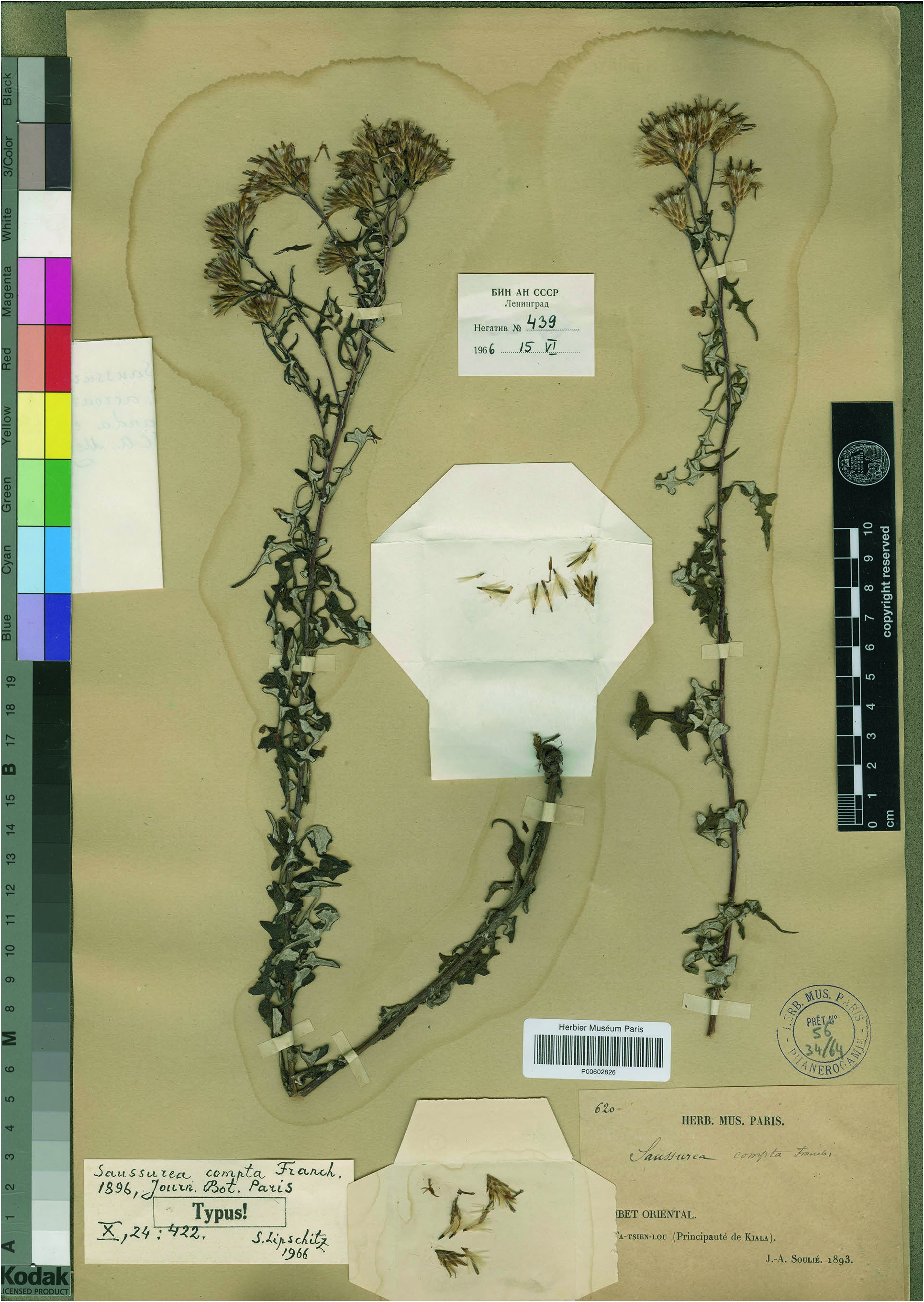
August Flower
Scorzoneroides autumnalis (L.) Moench
Scorzoneroides autumnalis, known as August Flower or autumn hawkbit, is a perennial herb native to Eurasia and introduced to North America. It is a member of the Asteraceae family and is characterized by its yellowish-green, often purplish-tinted stems, basal leaves, and solitary or clustered flower heads. This species is widely distributed across Europe, parts of Asia, and North America, where it thrives in a variety of habitats.
Description
Scorzoneroides autumnalis is a perennial herb with a branched, often prostrate or erect stem that can grow up to 60 cm tall. The plant features a taproot with fibrous side roots and terminates in rosettes of leaves. The leaves are basal, ranging from 15 to 20 cm in length and 0.3 to 3 cm in width, with a dull medium green upper surface and a pale, sometimes reddish-purple underside. They are narrowly to broadly oblanceolate in shape, with entire to remotely sinuate-dentate or deeply pinnatisect margins. The leaves are attached to short or medium, winged petioles and are either glabrous or sparsely hairy. The plant produces one to many capitula on each stem, with each flower head measuring 12 to 40 mm in diameter. The peduncles are similar to the stem in appearance, bearing small, lanceolate bracts. Involucral bracts are linear-lanceolate, green with dark tips, and may be hairy.
Habitat
This species is commonly found in open, disturbed habitats such as meadows, roadsides, fields, and waste areas. It prefers well-drained soils and is often seen in full sun to partial shade. Scorzoneroides autumnalis is adaptable to a range of environmental conditions and is known for its ability to thrive in both temperate and subarctic climates.
Cultivation
Scorzoneroides autumnalis is relatively easy to grow in a garden setting. It prefers full sun to partial shade and well-drained, moderately fertile soils. The plant is drought-tolerant once established and does not require frequent watering. It is best propagated by seed, which should be sown in early spring. While it is not typically cultivated for ornamental purposes, it can be used in naturalized gardens or as a ground cover due to its spreading habit. The plant is generally pest and disease-resistant.
Uses
Although not widely used in horticulture, Scorzoneroides autumnalis has some historical use as a wild edible. The young leaves can be added to salads or cooked as a vegetable. The plant is also of interest to botanists and ecologists due to its widespread distribution and adaptability. In some regions, it is considered a weed due to its ability to colonize disturbed areas quickly.
Other common names
August FlowerAutumn HawkbitAutumnal HawkbitFall DandelionFall Hawkbit
Distribution
Greenland · Labrador · Newfoundland · British Columbia · New Brunswick · Nova Scotia · Northwest Territories · Ontario · Prince Edward Island · Quebec · Saint Pierre and Miquelon · Bulgaria · Romania · Kuril Is. · South European Russia · Sicilia · Valparaíso · Finland · Ireland · Czech Republic · Idaho · Kazakhstan · Iceland · Washington · Primorye · Hungary · North Caucasus · Rhode I. · Poland · Estonia
Synonyms
Leontodon brachyglossusLeontodon linkiiLeontodon contortusLeontodon glaberLeontodon autumnalisLeontodon oligocephalusLeontodon autumnalisApargia autumnalisApargia autumnalis var. autumnalisVirea autumnalis var. autumnalisApargia autumnalis subsp. autumnalisLeontodon pinnatifidusLeontodon brachysiphonOporinia runcinataHedypnois autumnalisLeontodon autumnalis subsp. palustrisApargia taraxaciLeontodon autumnalis var. autumnalisPicris autumnalisOporinia autumnalisLeontodon validusVirea autumnalisScorzonera autumnalisLeontodon autumnalis var. alpigenusLeontodon autumnalis var. bipinnatifidusLeontodon autumnalis var. minimusLeontodon autumnalis var. subalpinusLeontodon autumnalis var. subpratensisLeontodon autumnalis var. nigrohirsutusLeontodon autumnalis var. salinus