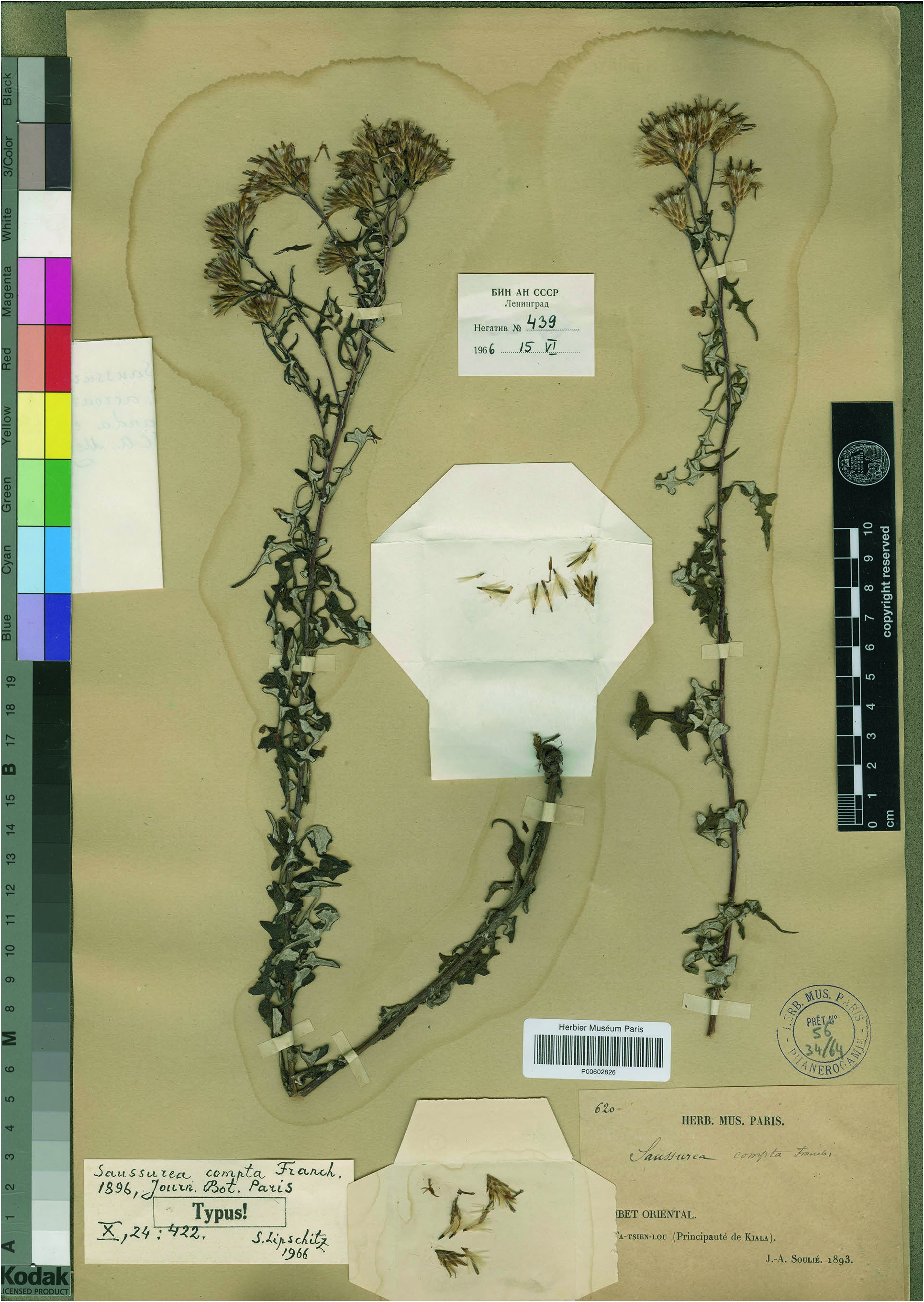
American everlasting
Gamochaeta americana (Mill.) Wedd.

Gamochaeta americana, commonly known as American everlasting, is a species of flowering plant in the Asteraceae family. It is native to a wide range of regions, including parts of South America, Europe, and the United States. This herbaceous plant exhibits a variable life cycle, being annual, biennial, or perennial. It is characterized by its hairy stems, basal rosettes of leaves, and clusters of small, white to purplish flowers arranged in elongated spikes. The species has a complex taxonomic history, with several synonyms and varieties proposed over time. It is often found in open, disturbed habitats and is sometimes cultivated for its ornamental value.
Description
Gamochaeta americana is a herbaceous plant that can grow up to 67 cm in height. It typically has a single or multiple ascending stems that are unbranched and covered in a whitish, woolly texture. The plant features a basal rosette of leaves that often persist during flowering. The leaves are broadly obovate to oblanceolate in shape, with a rounded to obtuse apex and a mucronate tip. They are strongly bicolored, with a green upper surface and a white, appressed tomentum on the lower surface. The cauline leaves are smaller and gradually reduce in size as they ascend the stem. The inflorescence consists of numerous capitula arranged in clusters in the axils of the upper leaves, forming continuous elongated spikes. The involucre is narrowly campanulate, and the phyllaries are arranged in multiple rows, with the outer ones being ovate and the inner ones oblong. The plant produces both pistillate and bisexual florets, with white-yellowish corollas that may have a purplish tinge at the apex. The achenes are small and pilose, with a short globose pappus.
Habitat
Gamochaeta americana is typically found in open, disturbed habitats such as meadows, roadsides, and other sunny, well-drained areas. It is adapted to a wide range of environmental conditions and can thrive in both temperate and subtropical climates. The species is often associated with rocky or sandy soils and is commonly found in high-altitude regions, including alpine and subalpine zones. It is native to parts of South America, including countries such as Colombia, Argentina, and Chile, as well as in parts of Europe and the United States. In its native range, it is often found in mountainous regions and in protected natural reserves such as Parque Nacional Natural Cocuy and Parque Nacional Natural Chingaza.
Cultivation
Gamochaeta americana is occasionally cultivated for its ornamental value, particularly in rock gardens and wildflower plantings. It prefers full sun and well-drained soils, making it suitable for gardens with similar conditions. The plant is relatively easy to grow and can tolerate a range of soil types, including sandy and rocky substrates. It is drought-tolerant once established and does not require frequent watering. Propagation can be done through seeds, which should be sown in early spring. The plant may benefit from occasional pruning to maintain a compact growth habit and encourage flowering. In cultivation, it is important to avoid overwatering, as the plant is susceptible to root rot in poorly drained soils.
Uses
Gamochaeta americana is primarily used for ornamental purposes in gardens and landscapes. Its small, clustered flowers and attractive foliage make it a suitable addition to rock gardens, borders, and wildflower meadows. The plant is also of interest to botanists and horticulturists due to its taxonomic complexity and variability. It is sometimes used in ecological restoration projects, particularly in areas with disturbed soils or degraded habitats. The plant has no known significant economic or medicinal uses, but it contributes to local biodiversity and serves as a food source for pollinators such as bees and butterflies. In some regions, it may be used in traditional medicine, although specific applications are not well-documented.
Other common names
American everlasting
Distribution
BR · Chía, vereda Yerbabuena, Sede del Instituto Caro y Cuervo · SFF Iguaque | Parque Nacional Natural Cocuy | Santuario de Flora y Fauna Galeras | Parque Nacional Natural Chingaza | Parque Nacional Natural Sumapaz · Belgium · France · The Netherlands · Great Britain · SZ · FR · No especificado · Azores · Italy · Portugal · Spain · Rondón · Antioquia, Boyacá, Caldas, Cundinamarca, Magdalena, Meta, Nariño, Norte de Santander, Putumayo, Santander, Tolima, Valle · SV · HN · GT · Alabama · Argentina Northeast · Argentina Northwest · Argentina South · Arkansas · Bolivia · Brazil Northeast · Brazil Southeast · Brazil South · Brazil West-Central · California
Synonyms
Gamochaeta guatemalensisGnaphalium americanum var. americanumGamochaeta americana var. alpinaGnaphalium purpureum var. americanumGamochaeta americana var. vulgarisGnaphalium americanum var. alpinaGnaphalium consanguineumGnaphalium americanumGamochaeta irazuensisGnaphalium guatemalenseGamochaeta americana subvar. interrupta