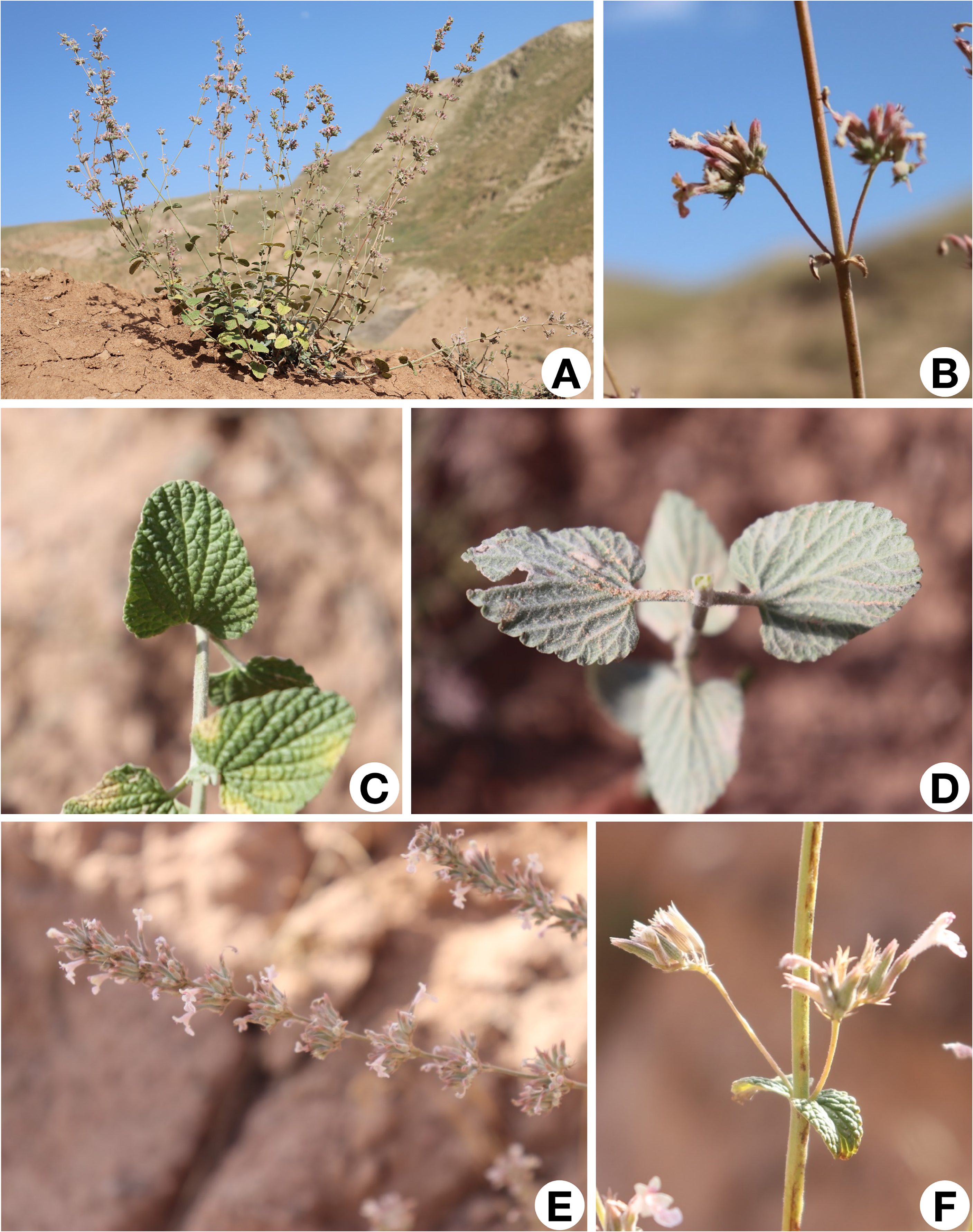
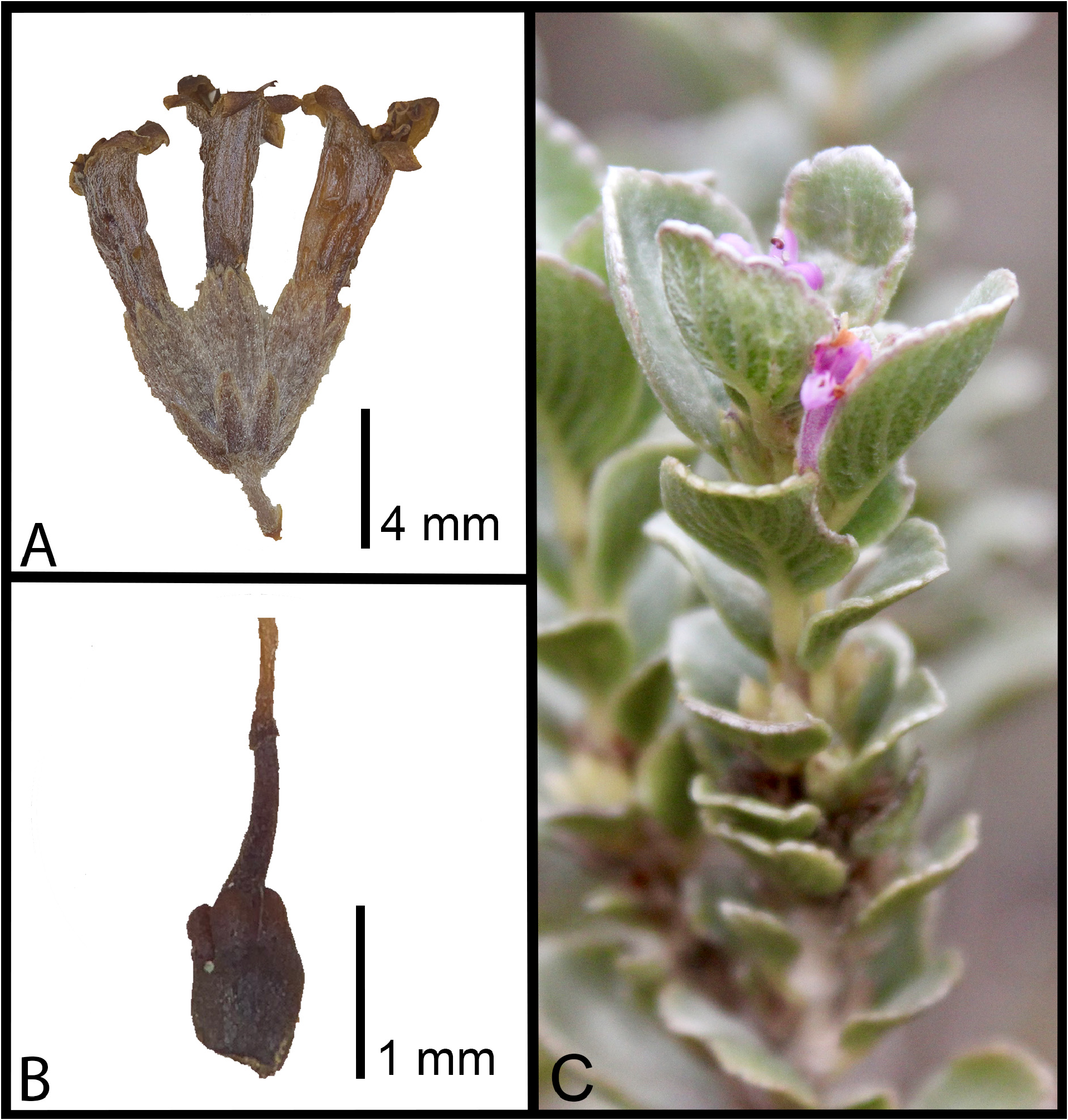
American basil
Ocimum americanum L.

Ocimum americanum, commonly known as American basil, is an annual herb native to Africa, the Indian subcontinent, China, and Southeast Asia. It has been naturalized in regions such as Queensland, Christmas Island, and parts of tropical America. The species is a member of the Lamiaceae family, a group known for aromatic herbs and culinary uses. Despite its common name, it is not indigenous to the Americas but has become widespread in various tropical and subtropical regions.
Description
Ocimum americanum is an annual herb that typically grows along riverbanks and in cropland, fallow, and disturbed areas. It is characterized by its aromatic foliage and is often found in moist, fertile soils. The plant is known by several local names, including kamuelele and kimuelele in Kikongo, and mangericão-branco in Portuguese. It is used both as a food and for medicinal purposes. The species is notable for its adaptability and is often found in a variety of ecological settings, including wetlands and agricultural zones.
Habitat
Ocimum americanum is commonly found in riverbanks, wetlands, and disturbed sites such as cropland and fallow areas. It thrives in moist, fertile soils and is frequently encountered in tropical and subtropical regions. The species is particularly common in areas with high humidity and adequate rainfall, and it is often associated with human-modified environments such as agricultural fields and roadside habitats.
Cultivation
Ocimum americanum is not typically cultivated for commercial purposes but may be grown in home gardens for its aromatic leaves and potential medicinal benefits. It prefers well-drained, moist soils and thrives in warm, humid climates. The plant is relatively easy to grow and can be propagated through seeds. It is often found in disturbed and cultivated areas, where it can quickly establish itself due to its adaptability and rapid growth.
Uses
Ocimum americanum has a variety of uses, including culinary and medicinal applications. The leaves are used in traditional medicine to treat various ailments, and the plant is also used as a food herb in some regions. It is valued for its aromatic properties and is sometimes used in cooking to add flavor to dishes. Additionally, the plant has been studied for its potential health benefits, including anti-inflammatory and antimicrobial properties.
Other common names
American basilhoary basillime basil
Distribution
Complejo Humedales Hato Corozal. Cienaga Zapatosa · BR · SC · CW · SX · BI · KM · SG · No especificado · ID · MG · ST · Antioquia, Atlántico, Bolívar, Caldas, Cauca, Cesar, Chocó, Cundinamarca, Magdalena, Nariño, San Andrés, Providencia y Santa Catalina, Santander, Tolima, Valle · Bogotá · Andaman Is. · Angola · Argentina Northeast · Assam · Bangladesh · Benin · Bismarck Archipelago · Bolivia · Botswana · Brazil Northeast · Burkina · Cameroon · Cape Provinces · Cape Verde · Caprivi Strip · Central African Repu
Synonyms
Ocimum albumOcimum brachiatumOcimum canumOcimum dichotomumOcimum dinteriOcimum fluminenseOcimum fruticulosumOcimum hispidulumOcimum incanescensOcimum stamineumOcimum thymoidesBecium obovatum var. glabriorOcimum canum var. integrifoliumOcimum serpyllifolium var. glabrius