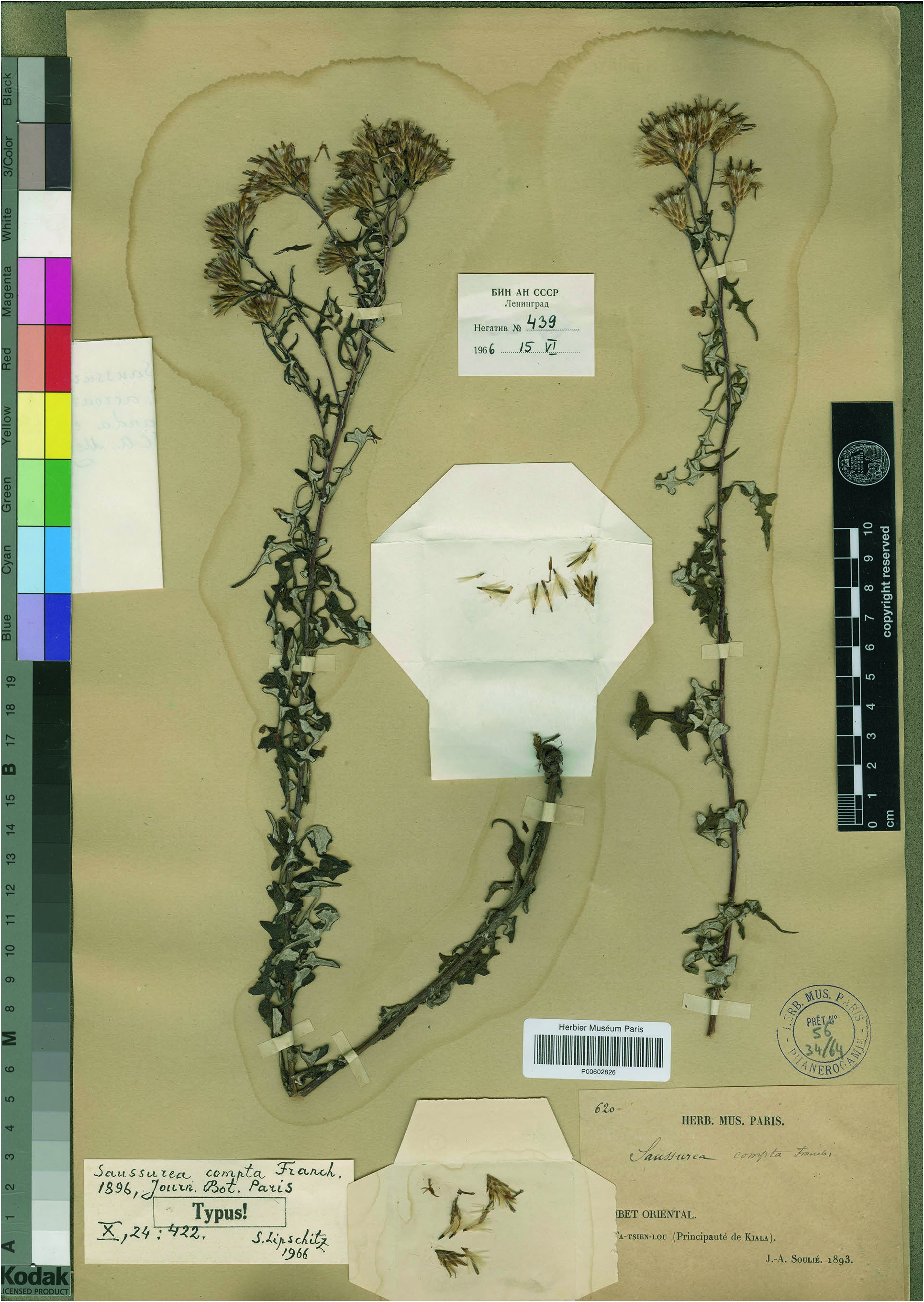
Alpine Rattlesnakeroot
Nabalus boottii DC.

Nabalus boottii, known as Alpine Rattlesnakeroot, is a perennial plant in the Asteraceae family. Endemic to the northeastern U.S., it was first collected in 1829 by John Wright Boott in New Hampshire. The species is characterized by its short, decumbent growth, deltate to hastate leaves, and blackish green phyllaries with white corollas. It grows in alpine habitats.
Description
Nabalus boottii is a 5-25 cm tall plant with a short, thick taproot and stems that are decumbent to erect, often mottled purple. Proximal leaves are petiolate with ovate to deltate blades, while distal leaves are smaller and elliptic to lanceolate. The inflorescence consists of 10-20 heads in a narrow array, with dark green to blackish calyculi and involucres. Phyllaries are lanceolate to subulate and glabrous. Florets have white corollas, and cypselae are light tan to yellow with pale yellow pappi. Chromosome count is 2n = 32. It is distinguished by its alpine habitat, leaf shape, and glabrous, dark phyllaries.
Other common names
Boot’s rattlesnakerootAlpine Rattlesnakeroot
Distribution
Vermont · New York · Maine · New Hampshire · Vermont-US
Synonyms
Prenanthes boottiiPrenanthes boottii